Host A Womb & Table Dinner In Your Community
10 women. 10 tables across Sierra Leone.
We're looking for women who already hold space for other women. Community leaders who will set the table and follow a method, with all expenses covered by us.
Applications Closed

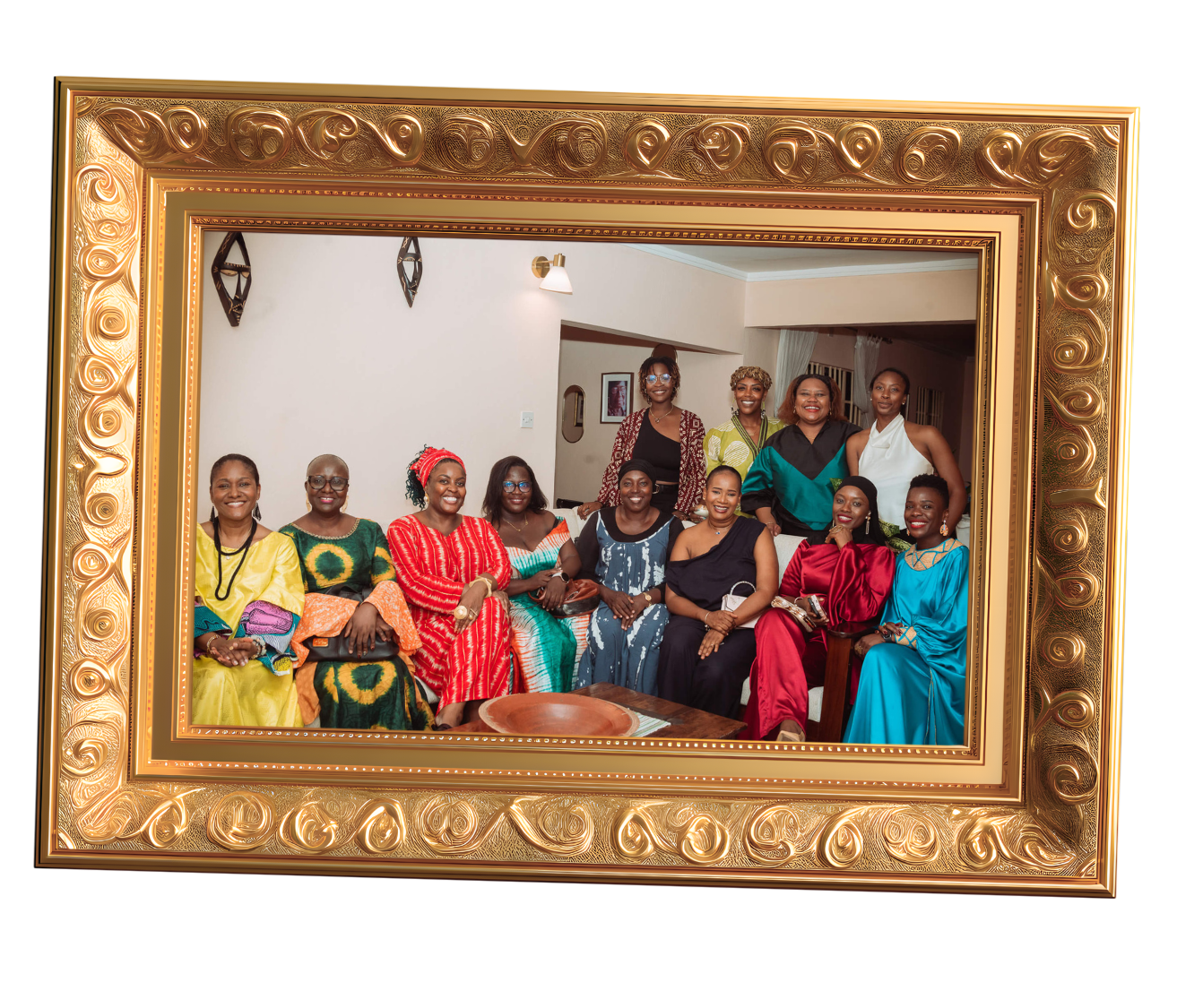
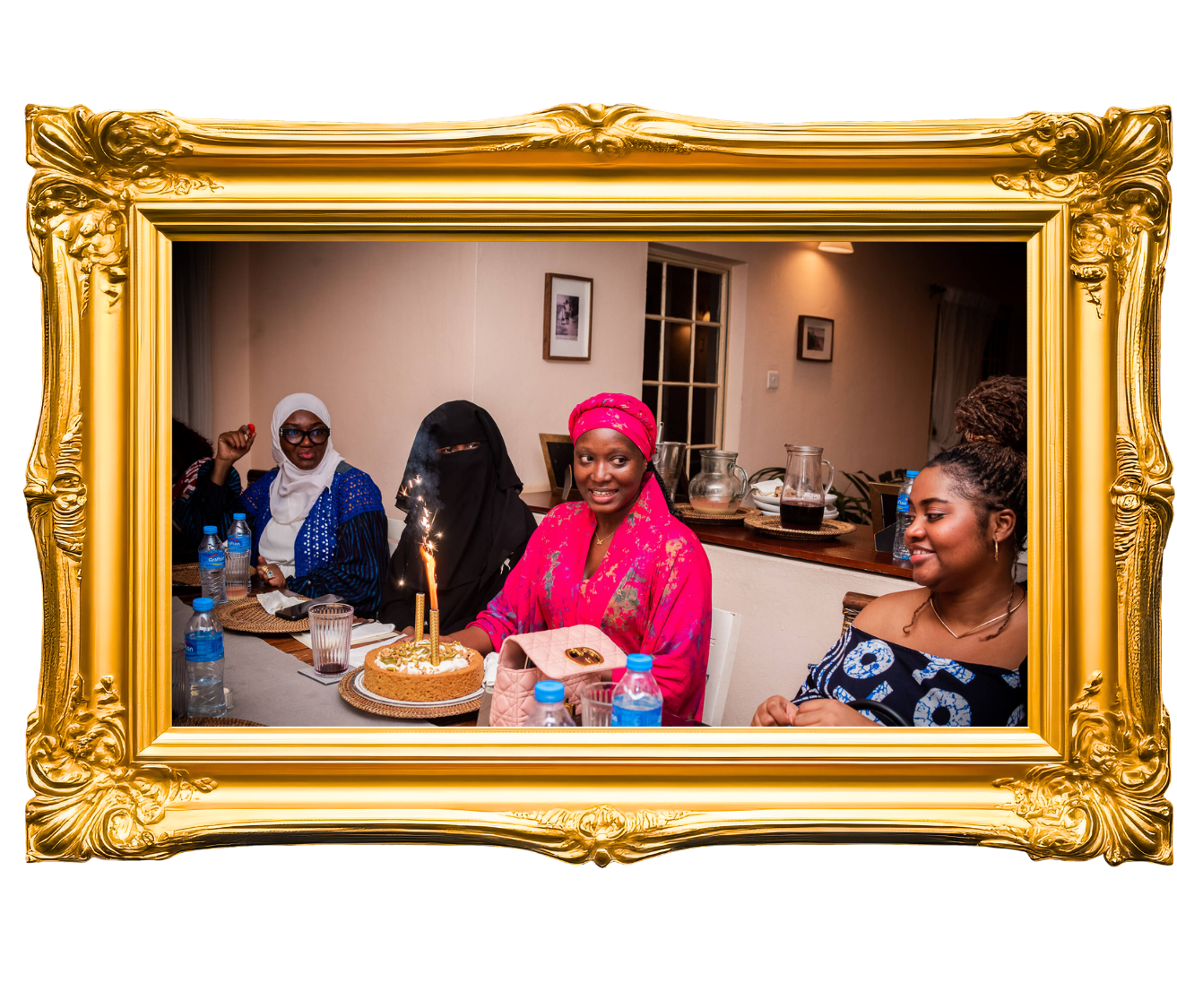
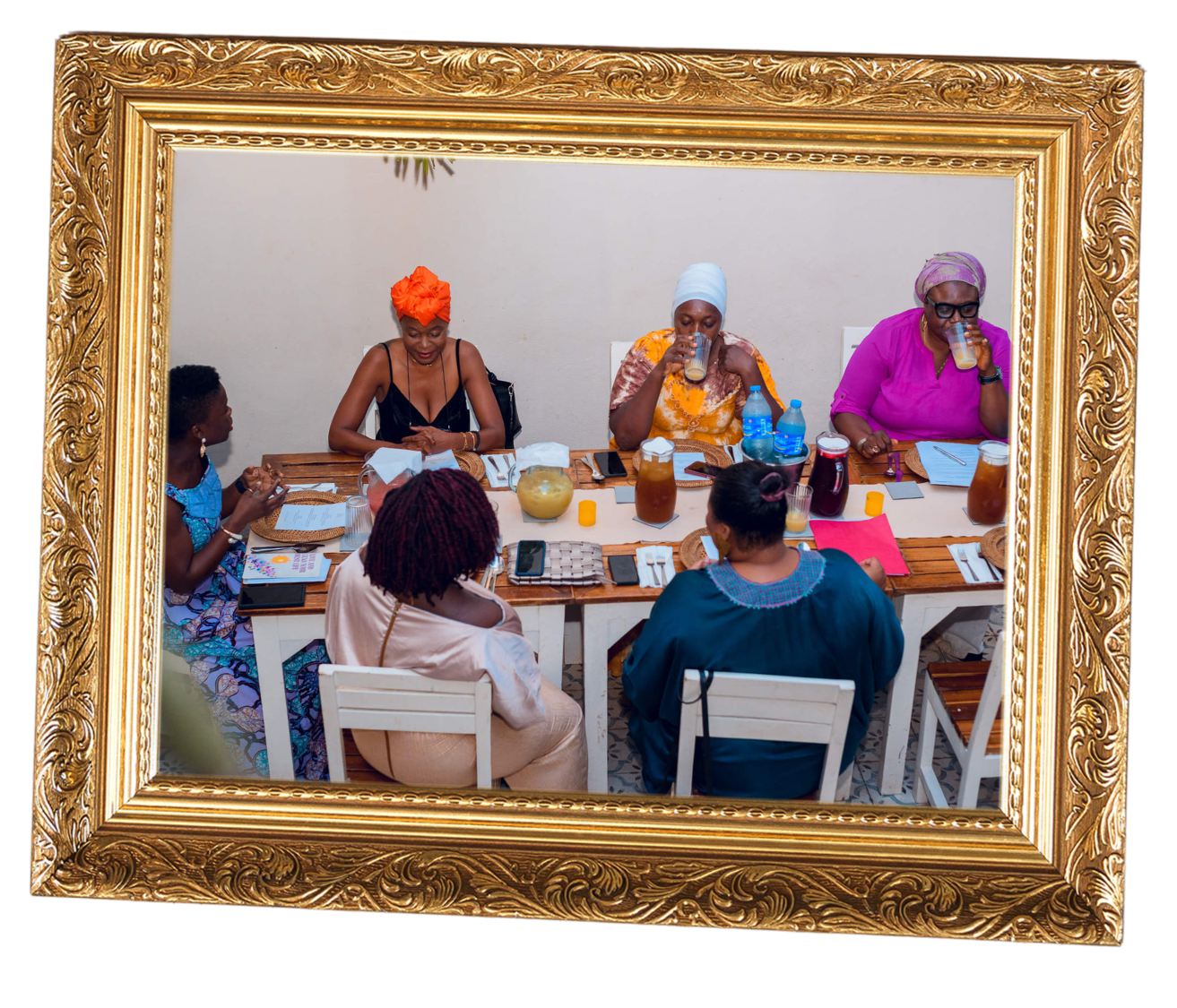
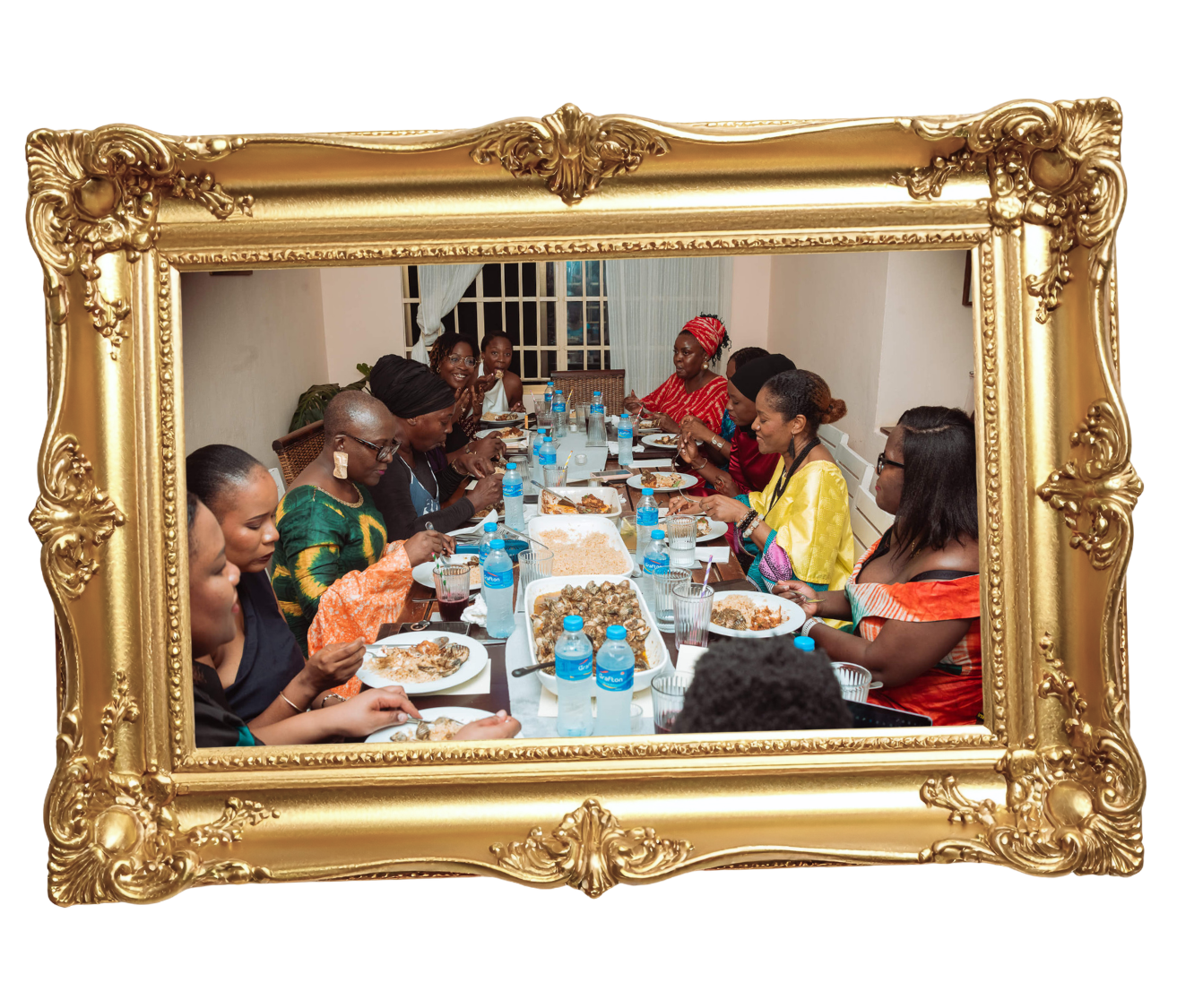
WHAT IS WOMB & TABLE?
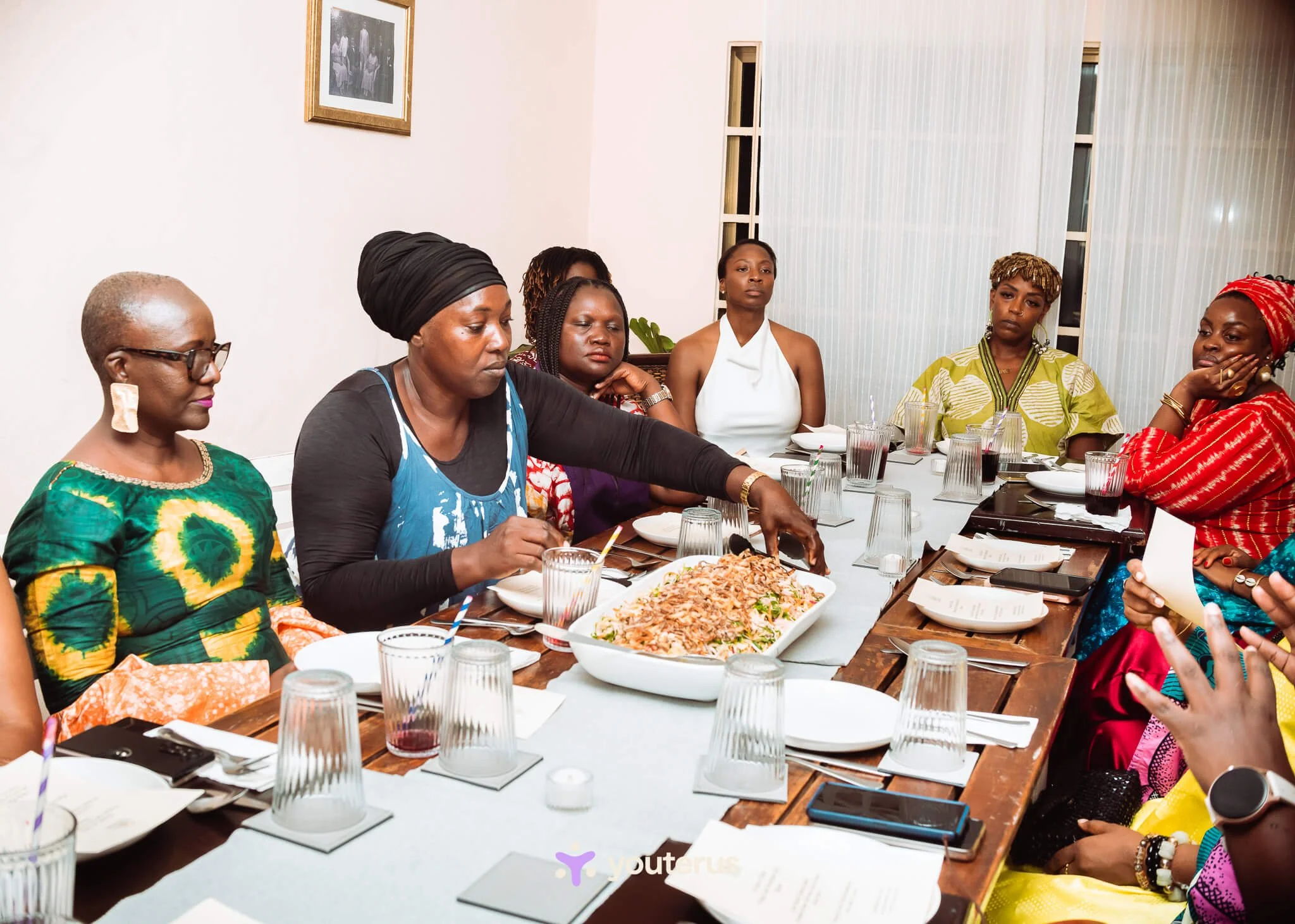
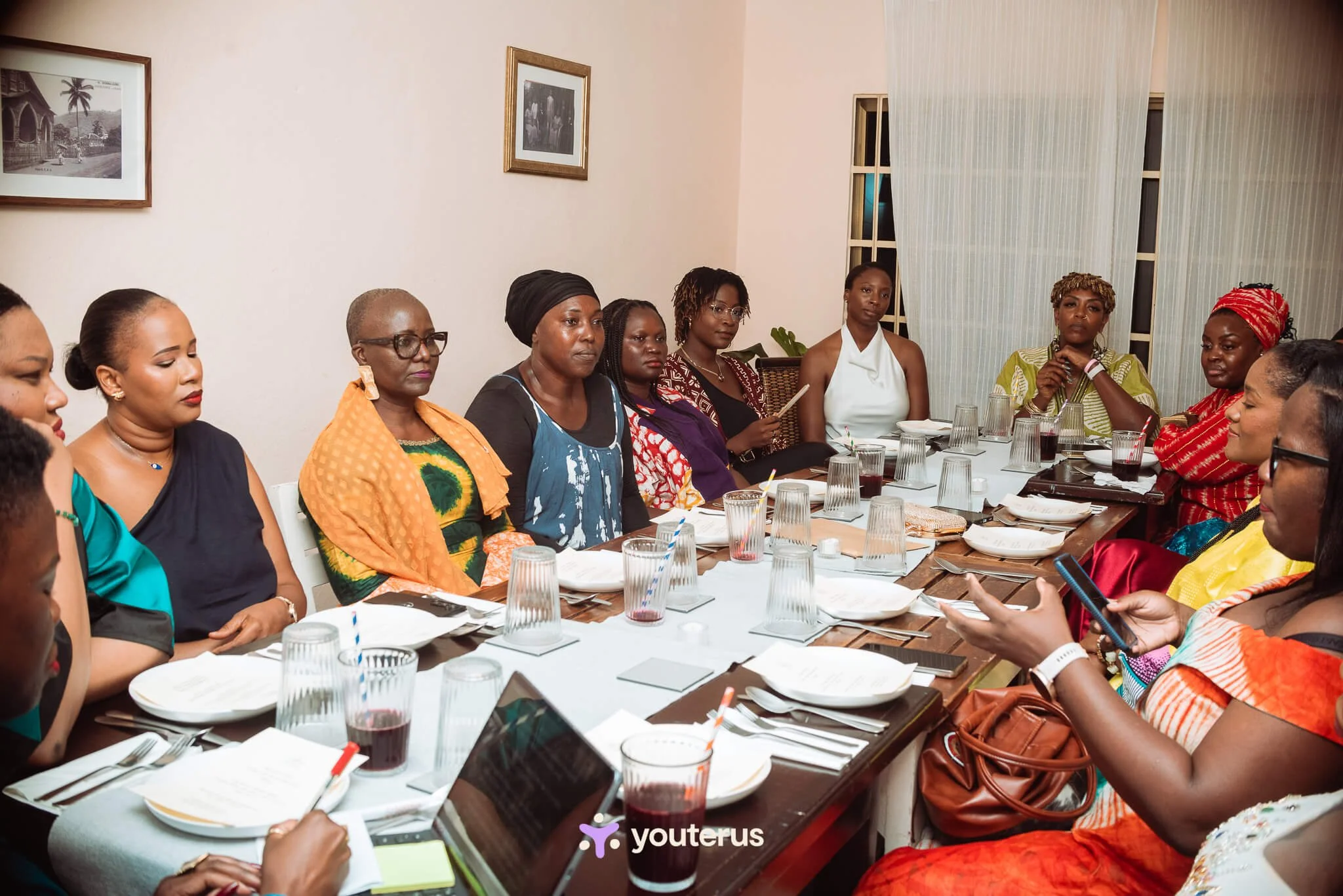
This Is Not Just a Dinner. It Is a Table Where Women Finally Speak.
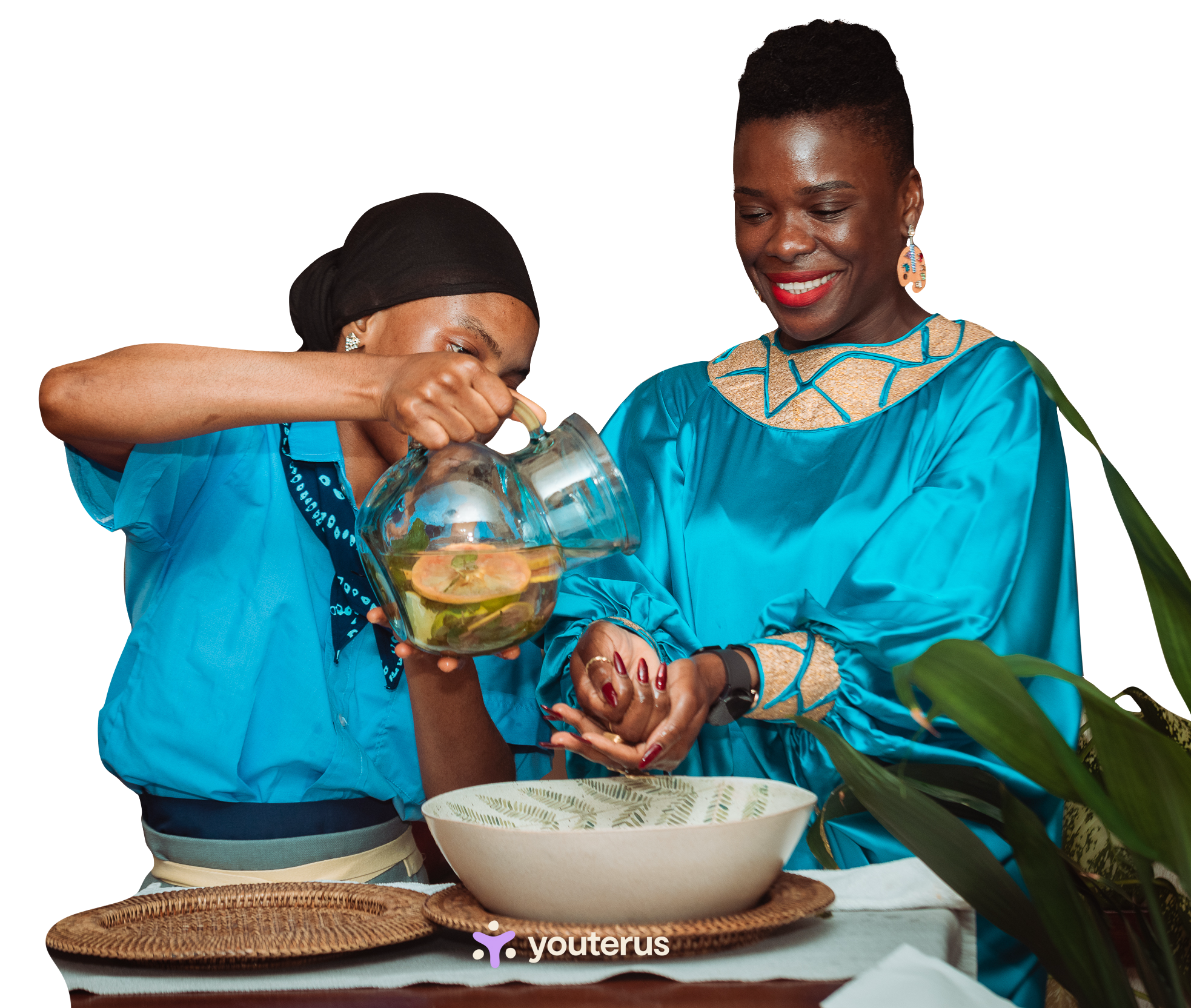
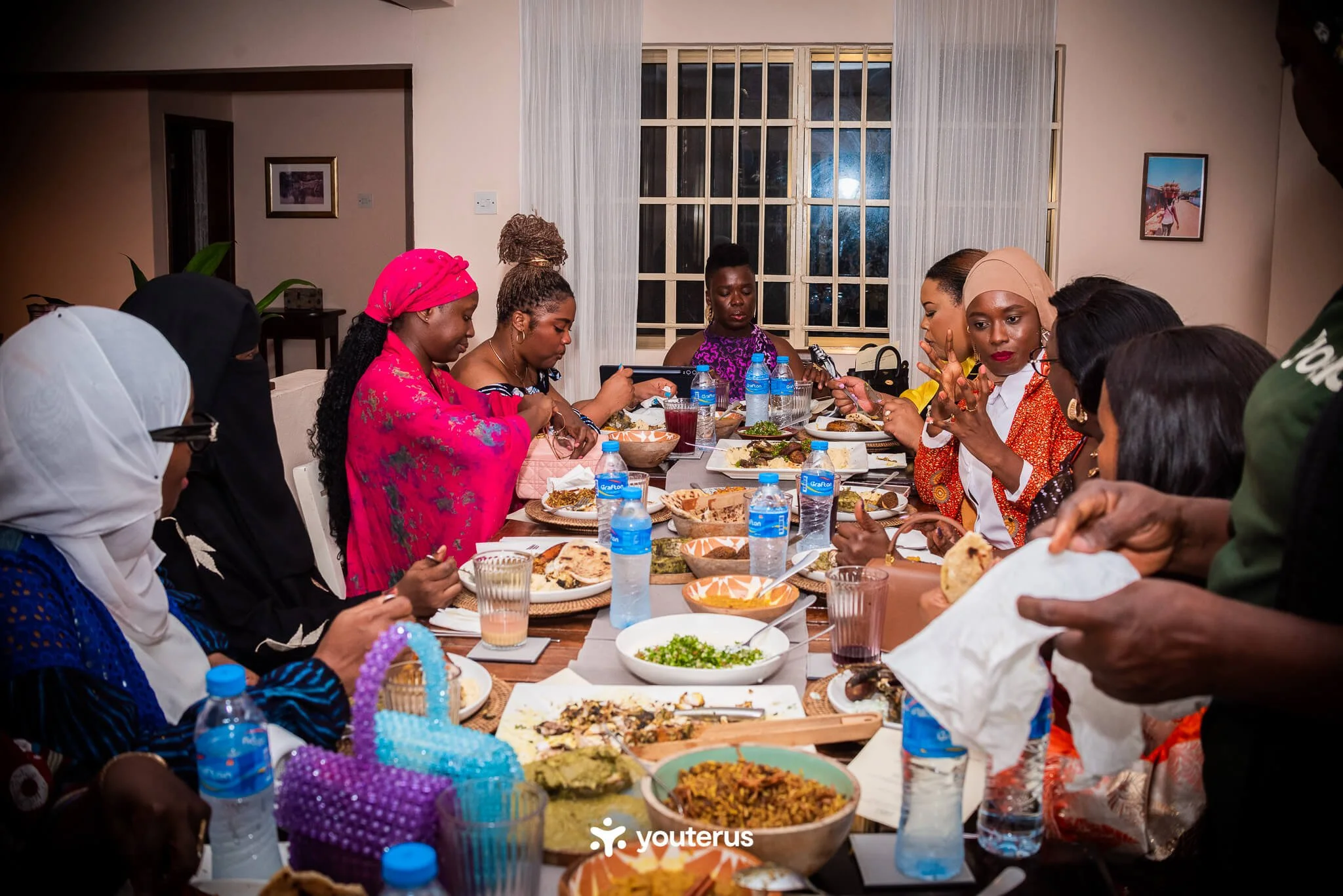
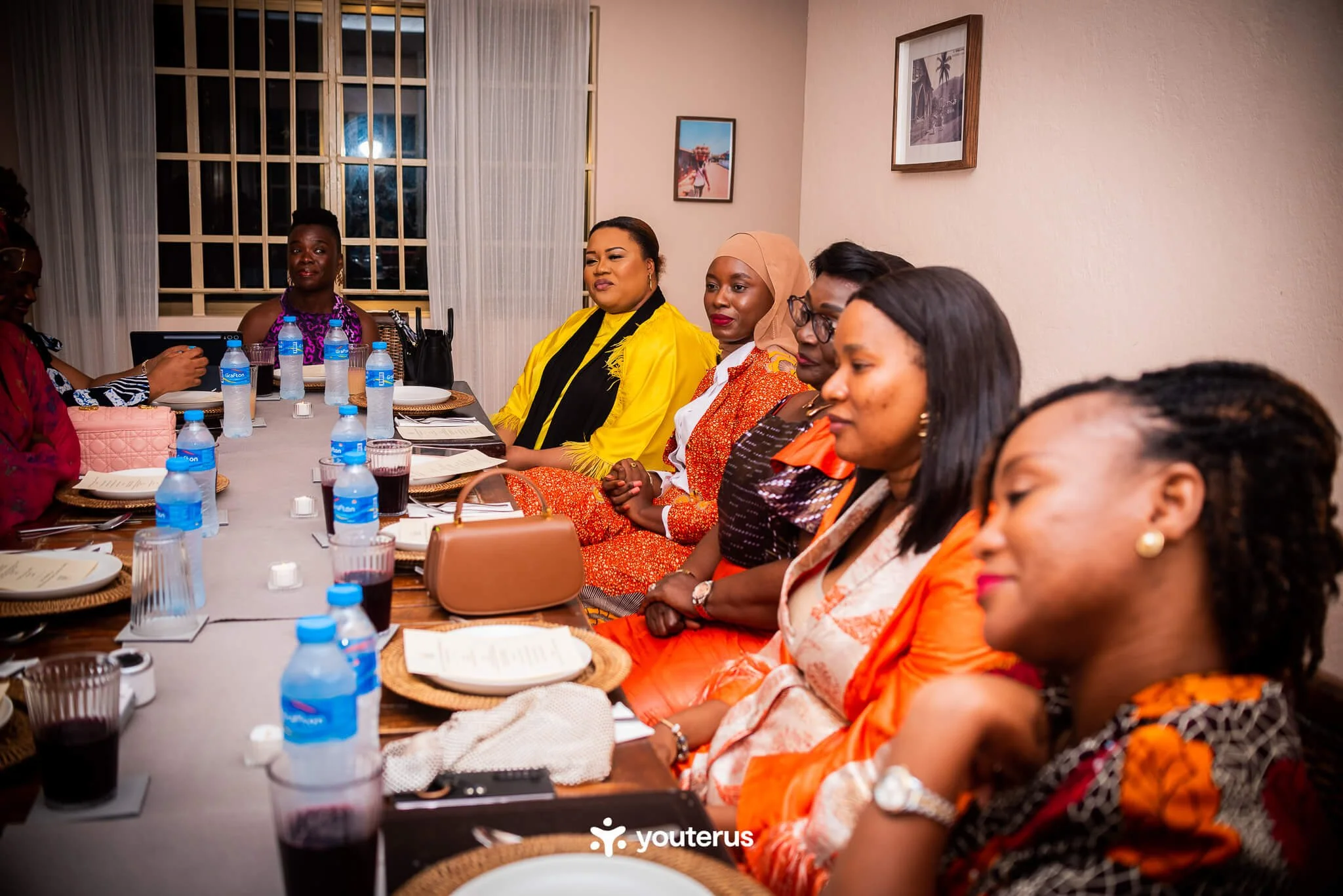
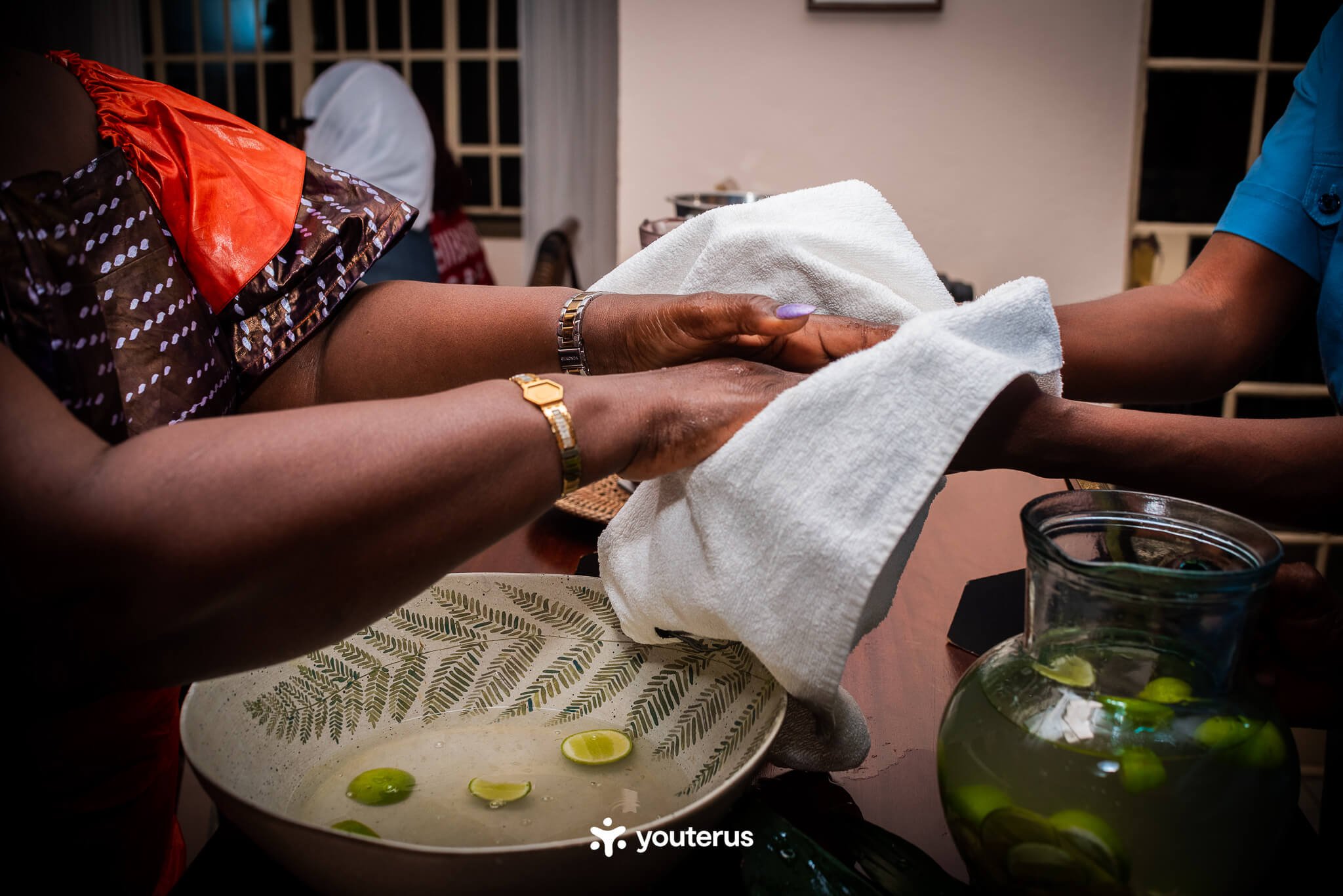
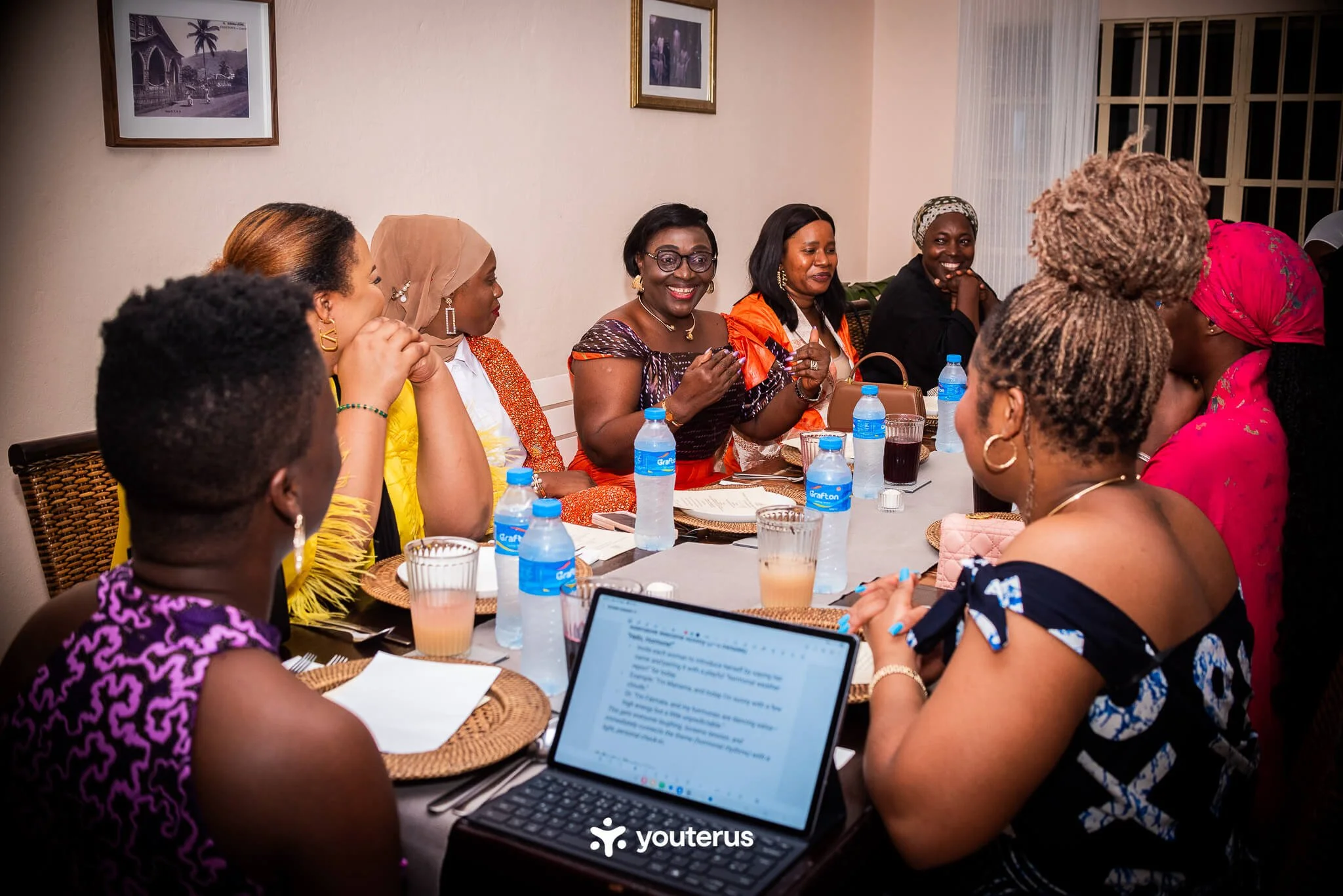
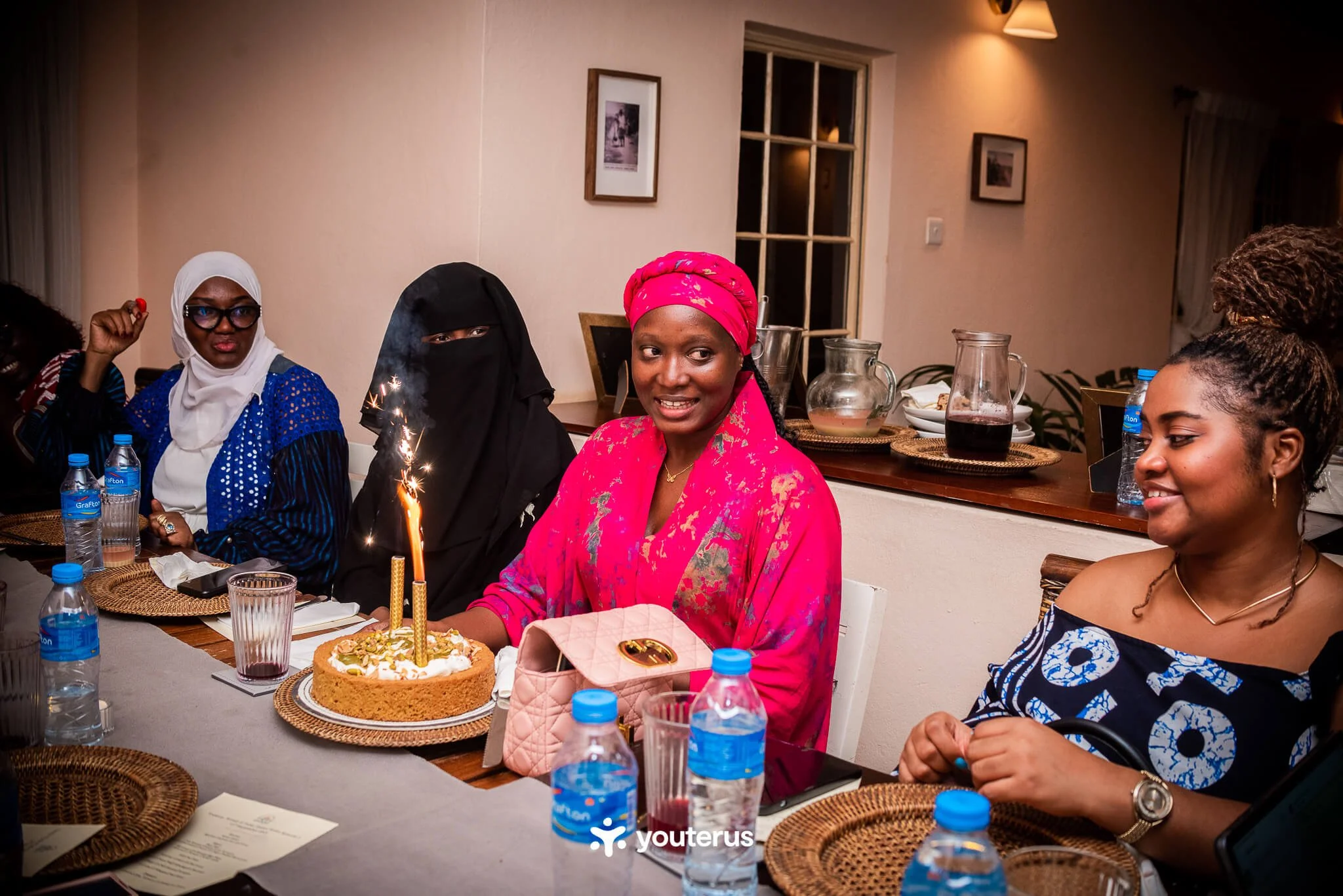
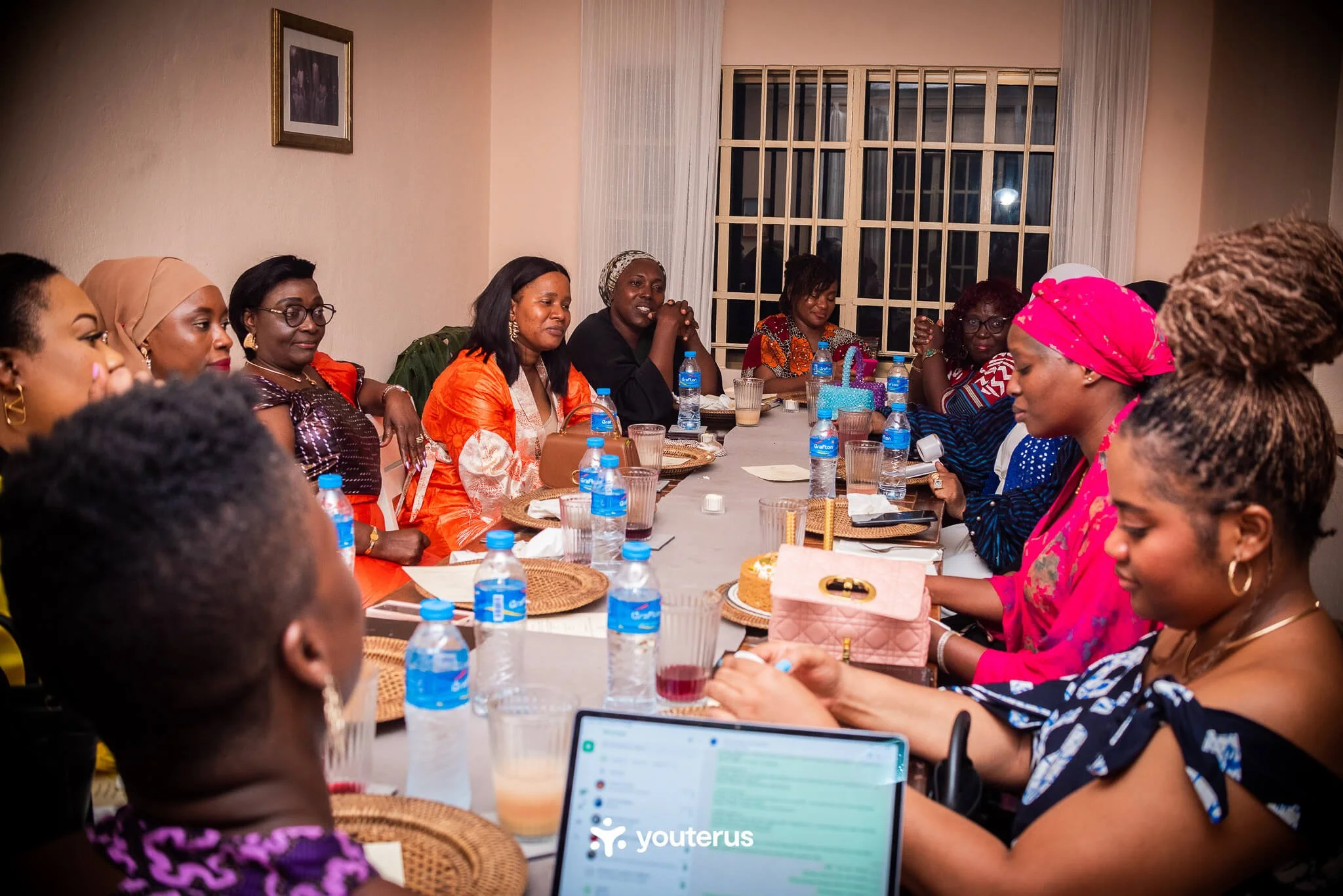
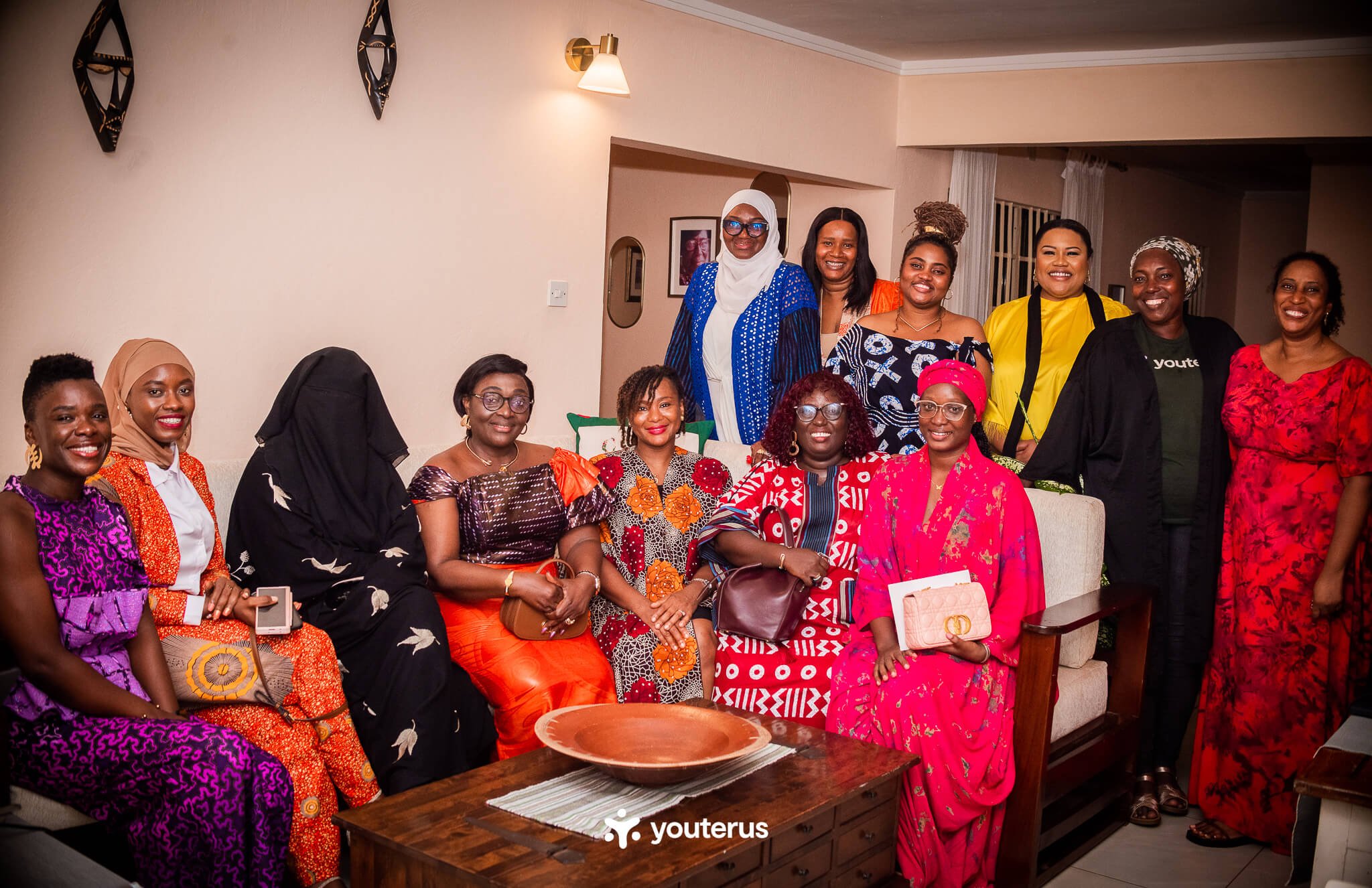
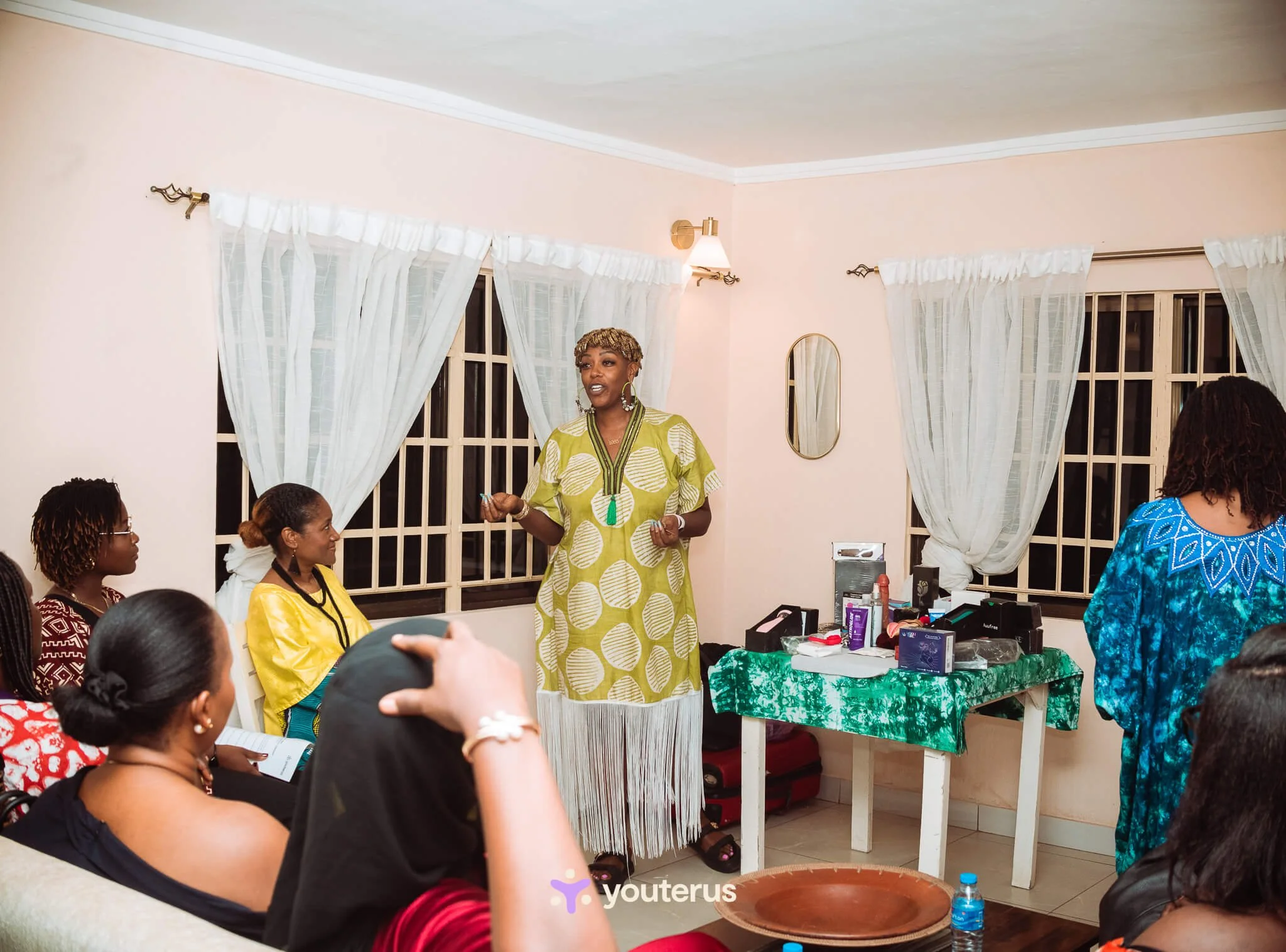
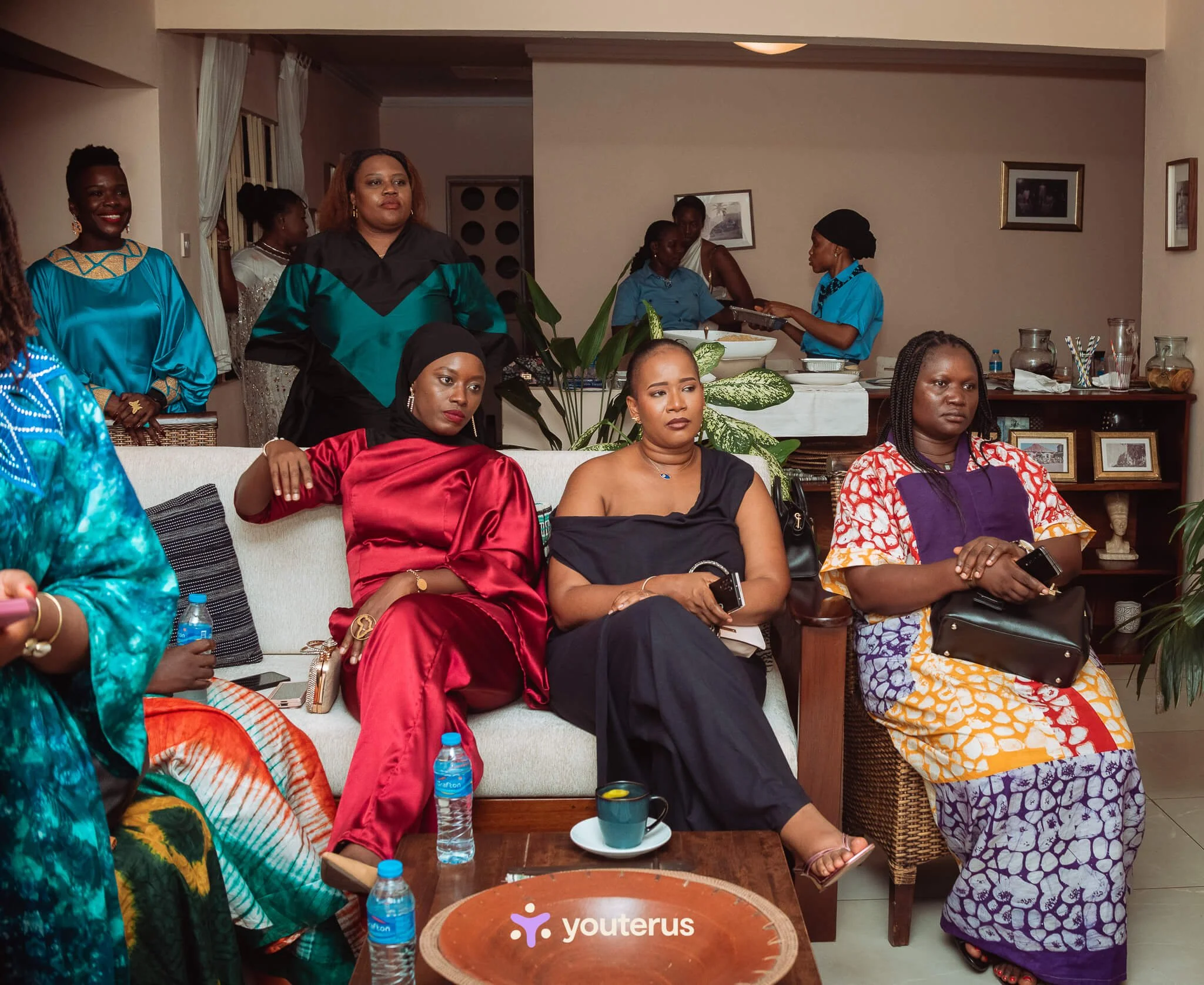
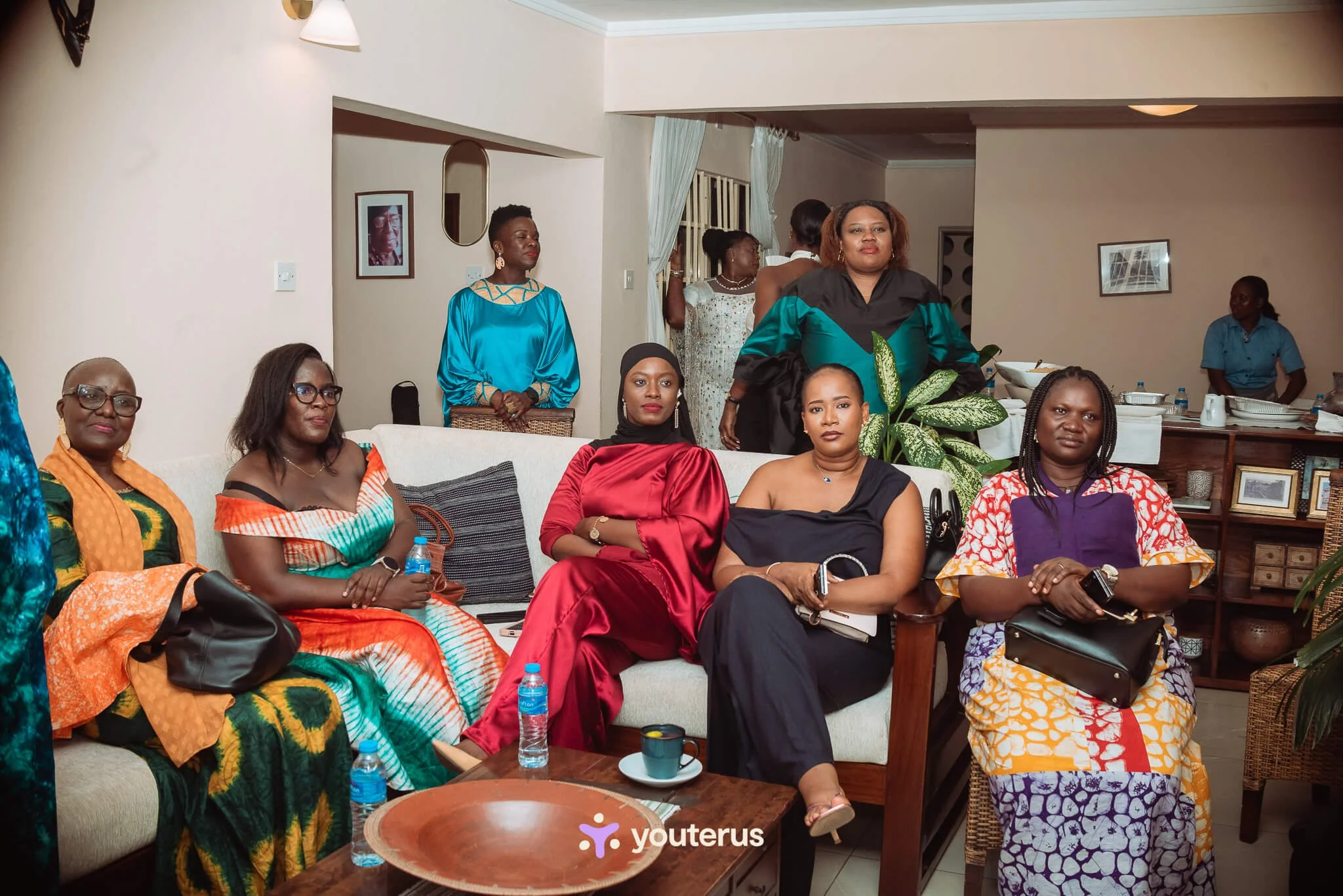
Womb & Table is an intimate gathering where women share a meal and have honest conversations about their bodies, their health, and the things nobody talks about.
The tiredness nobody investigates. The herbs your grandmother used and why. What changes after childbirth. What happens during menopause in a country with no word for it. Pleasure, desire, and the silence around sex. The bleeding that gets heavier every year and the answers that never come.
Every dinner is different. But they all prove the same thing:
when women gather over food and are given permission to be honest, they create knowledge that no clinic can match.
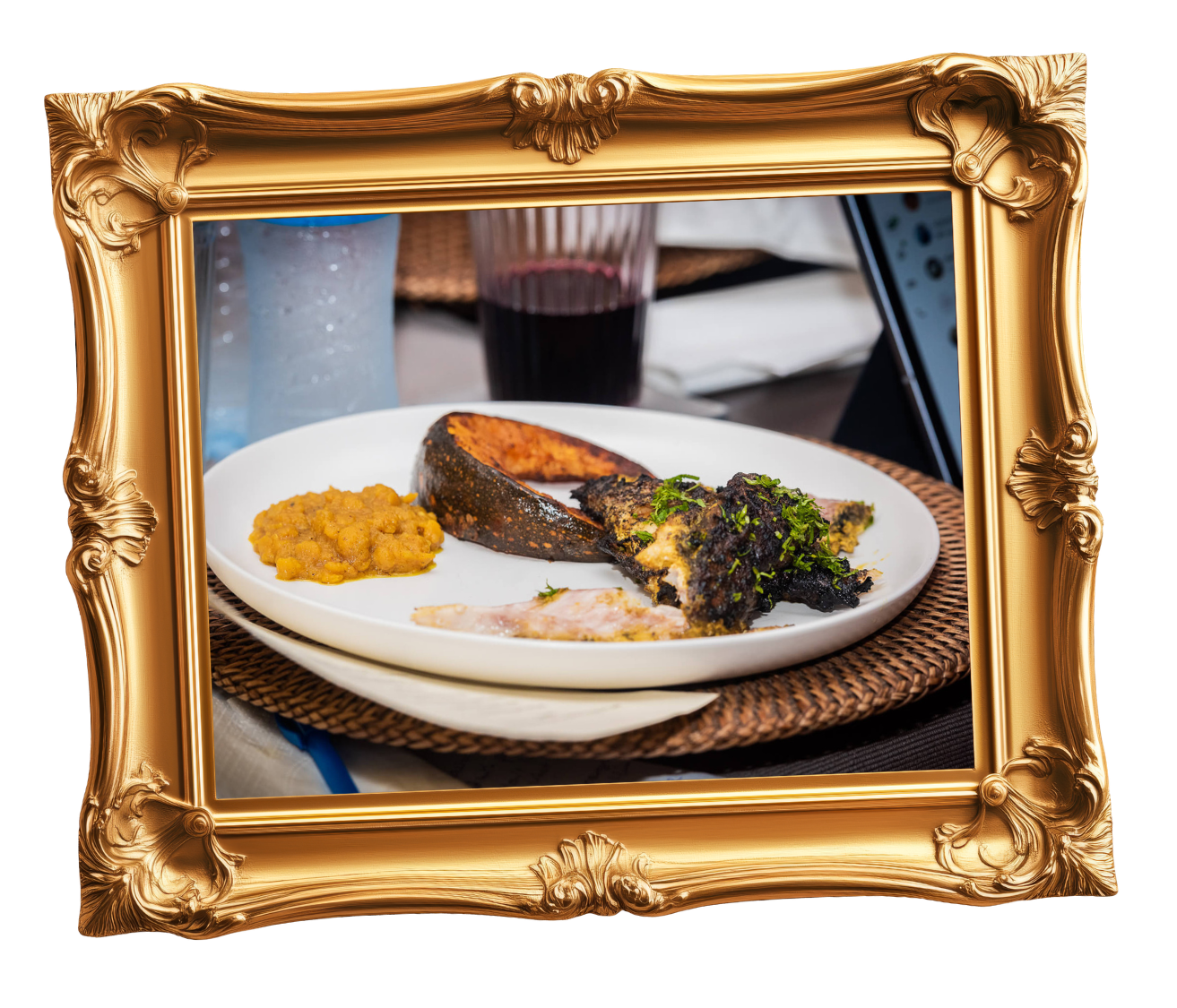
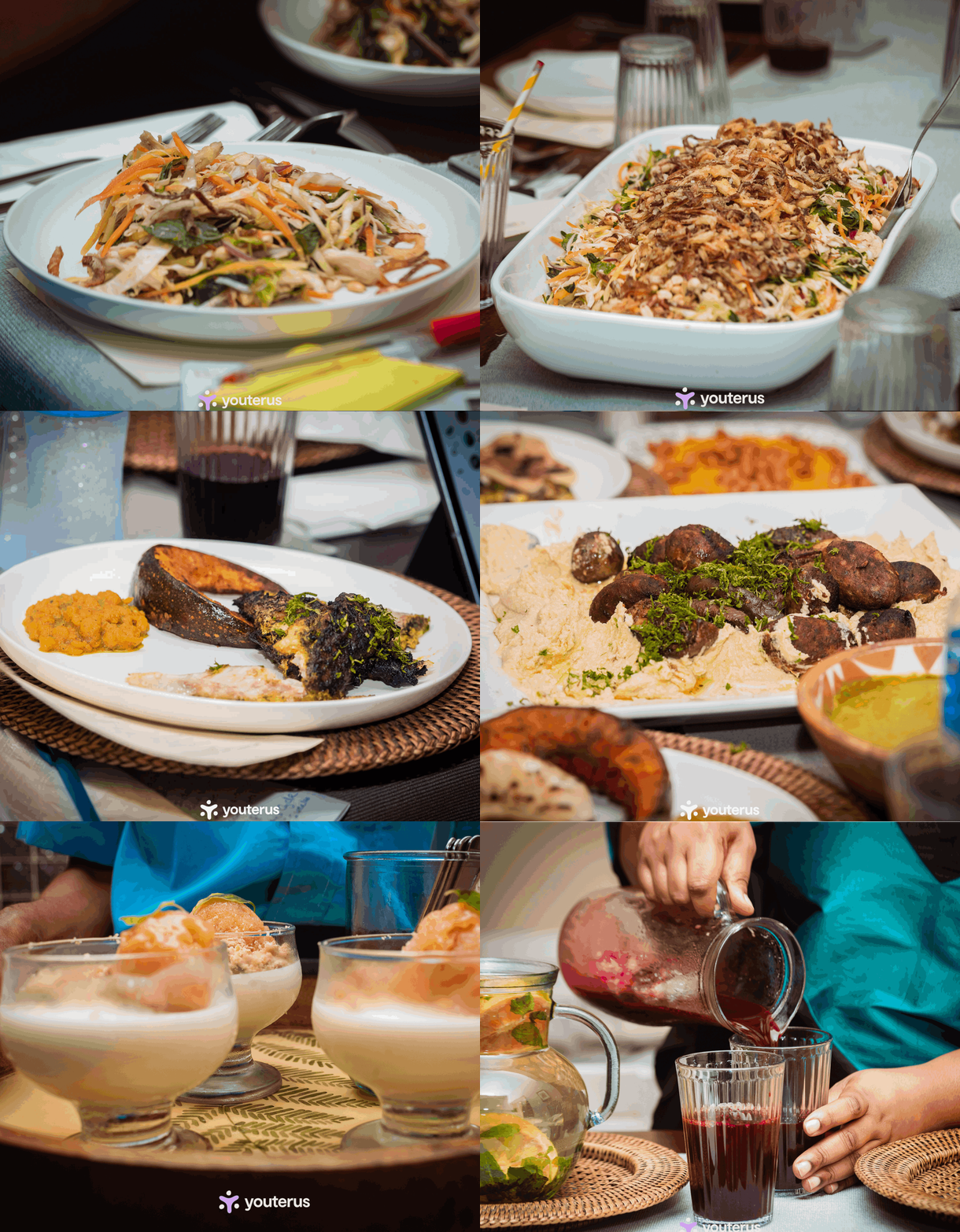
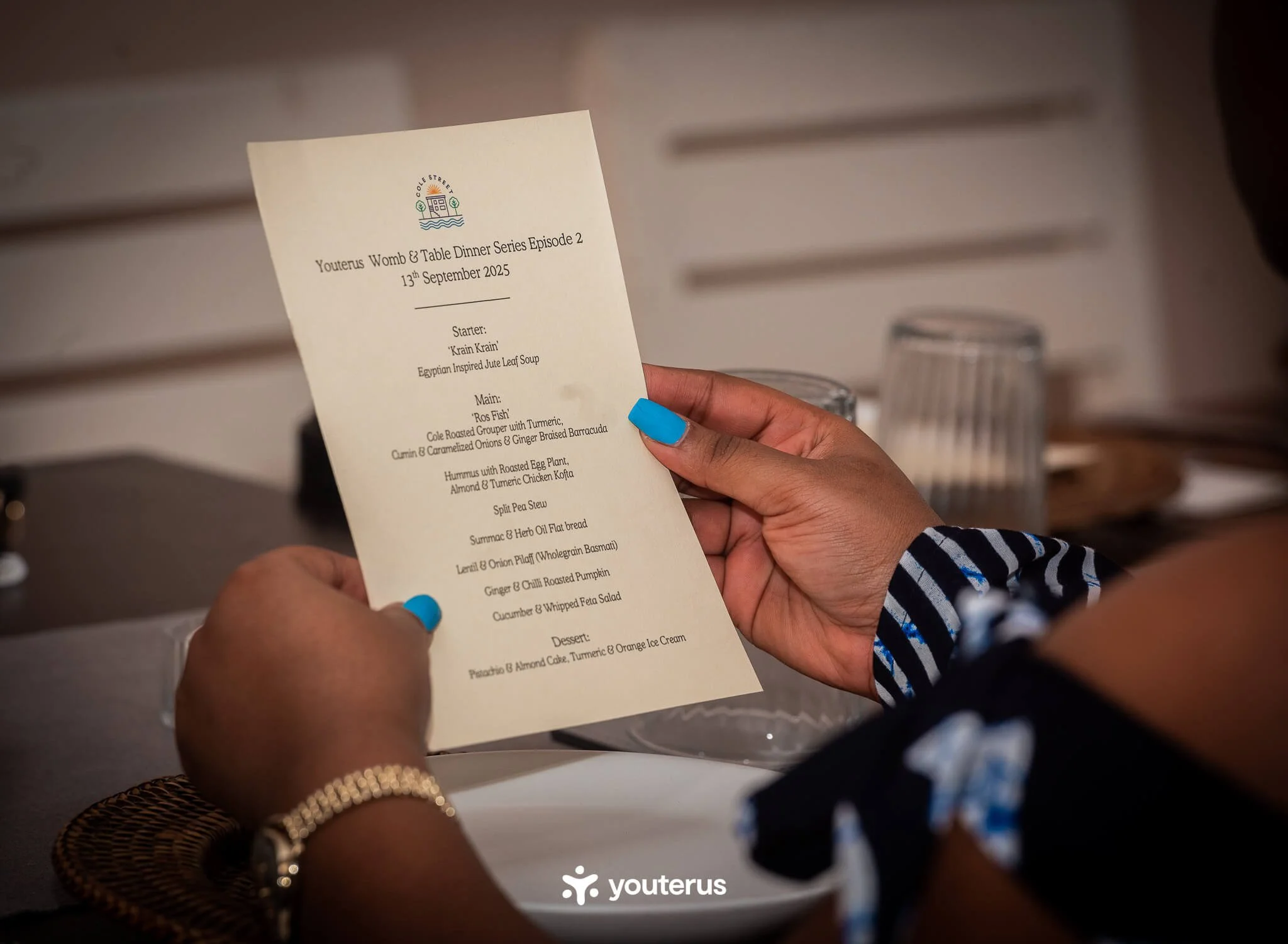
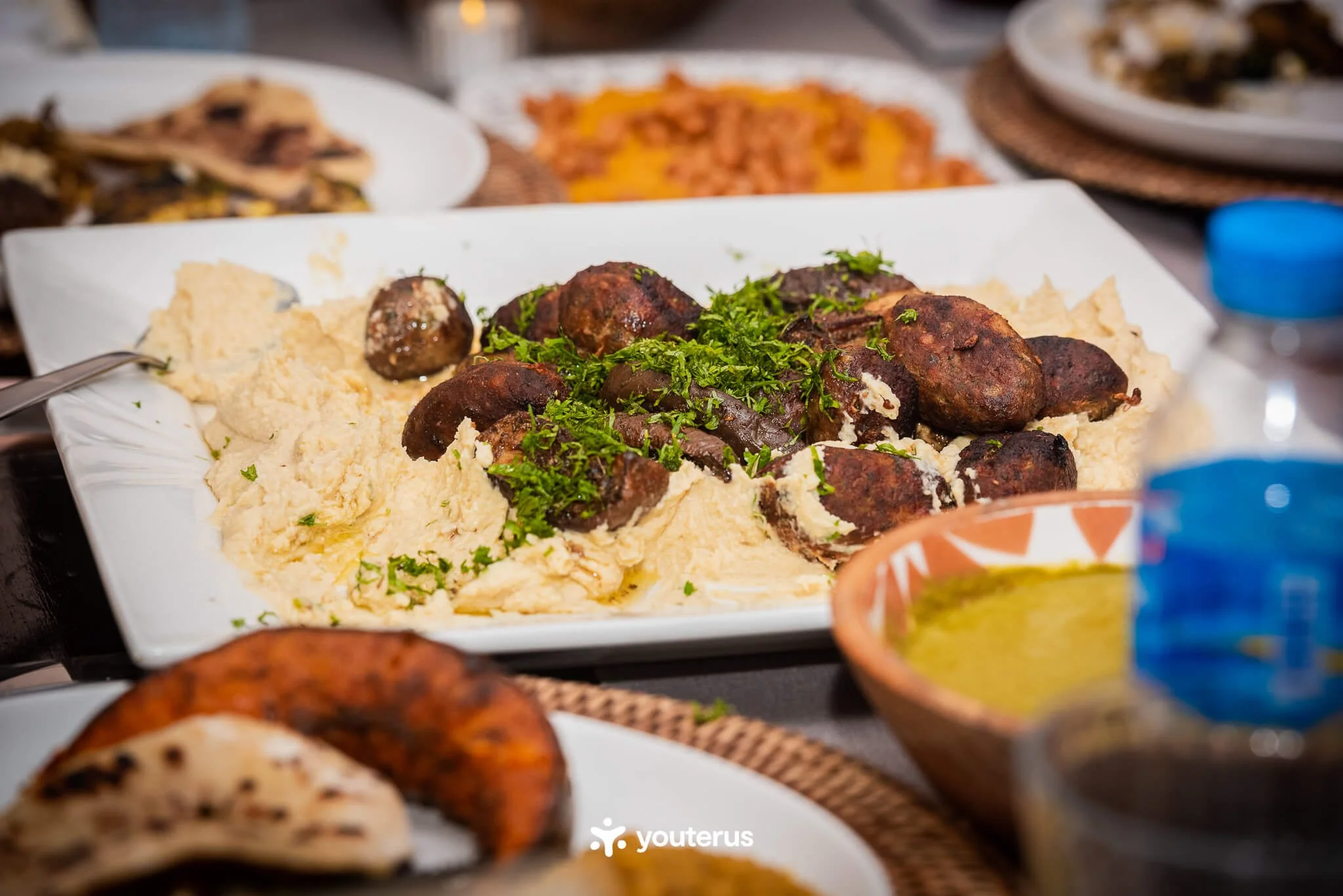
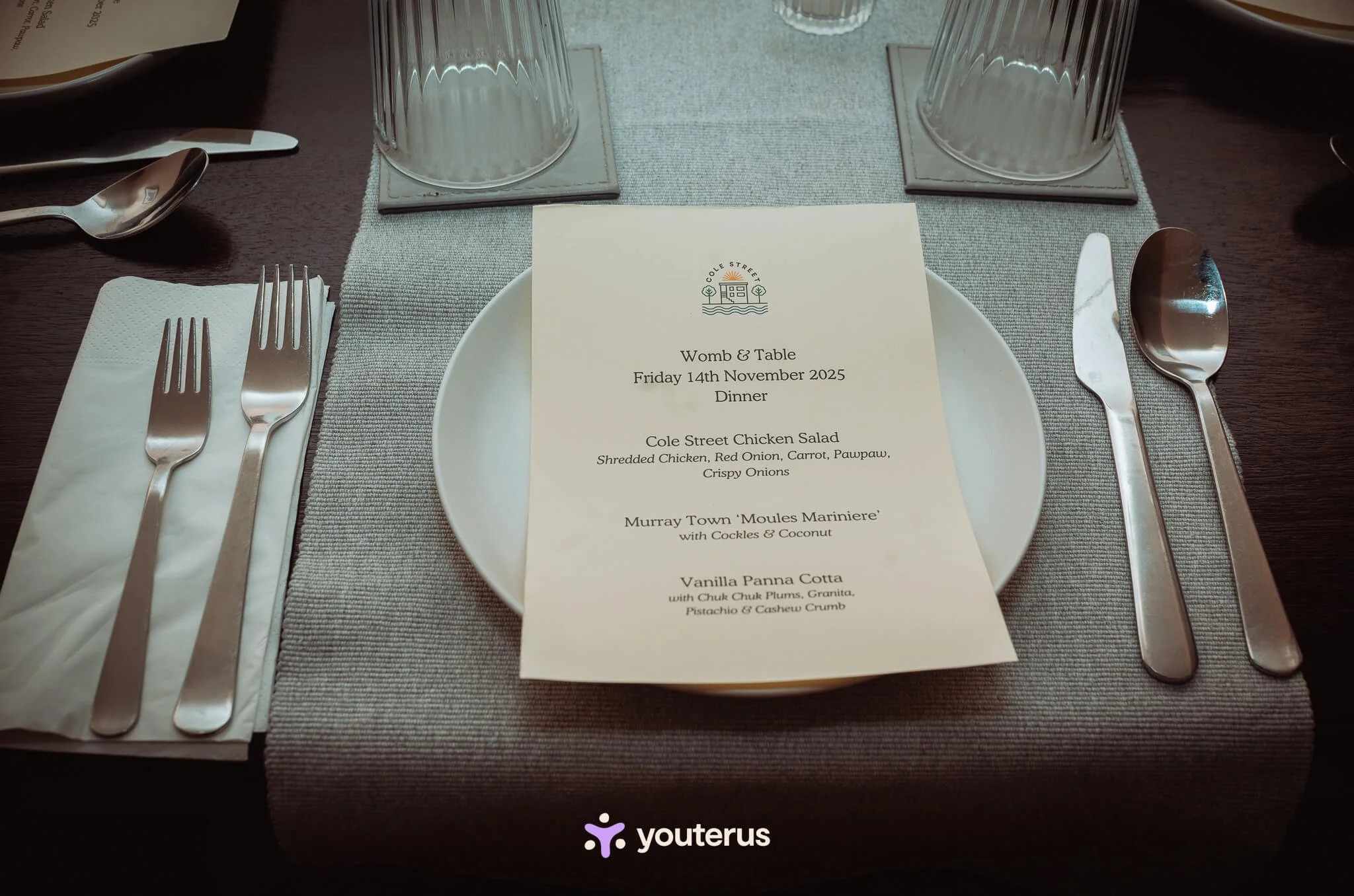
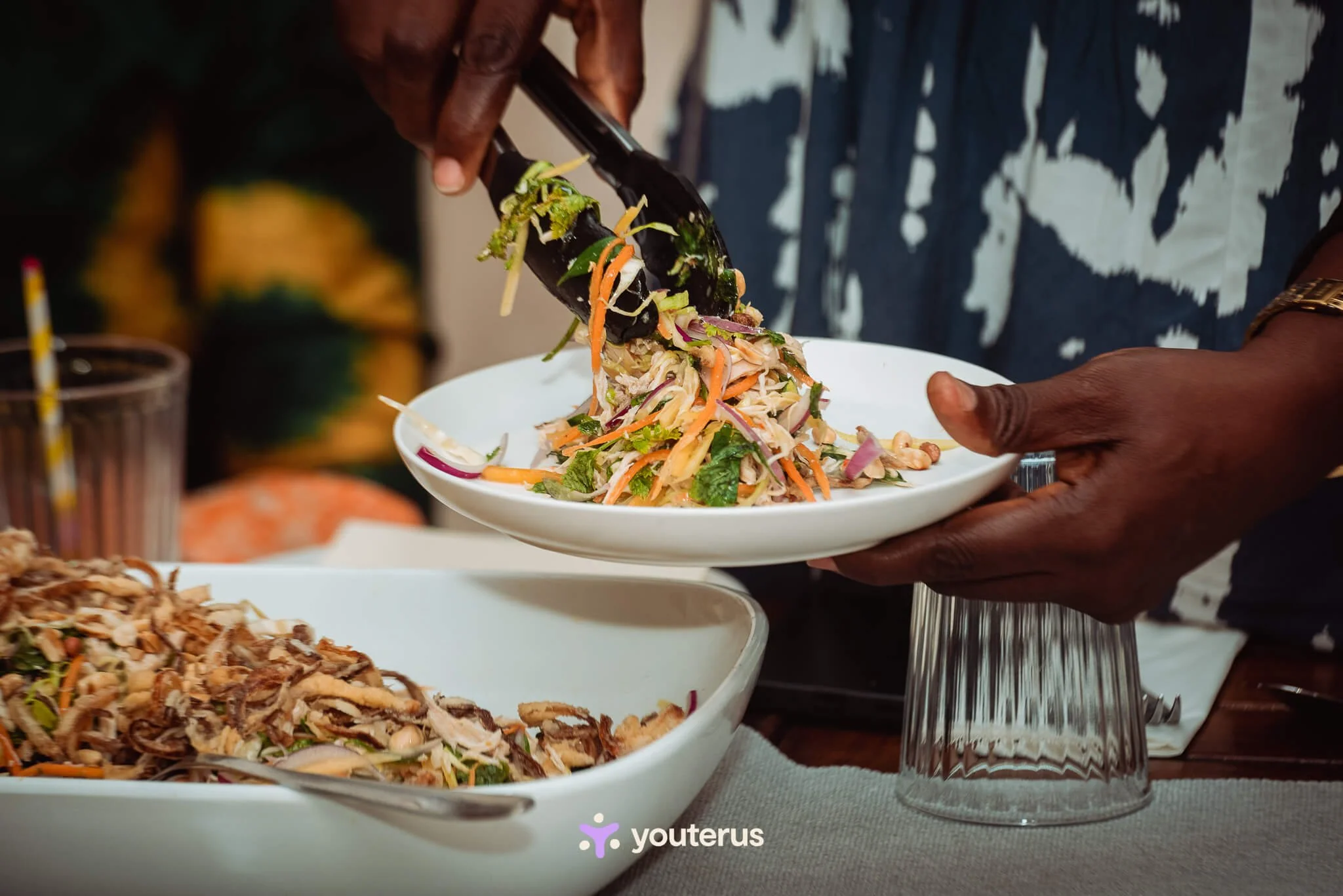
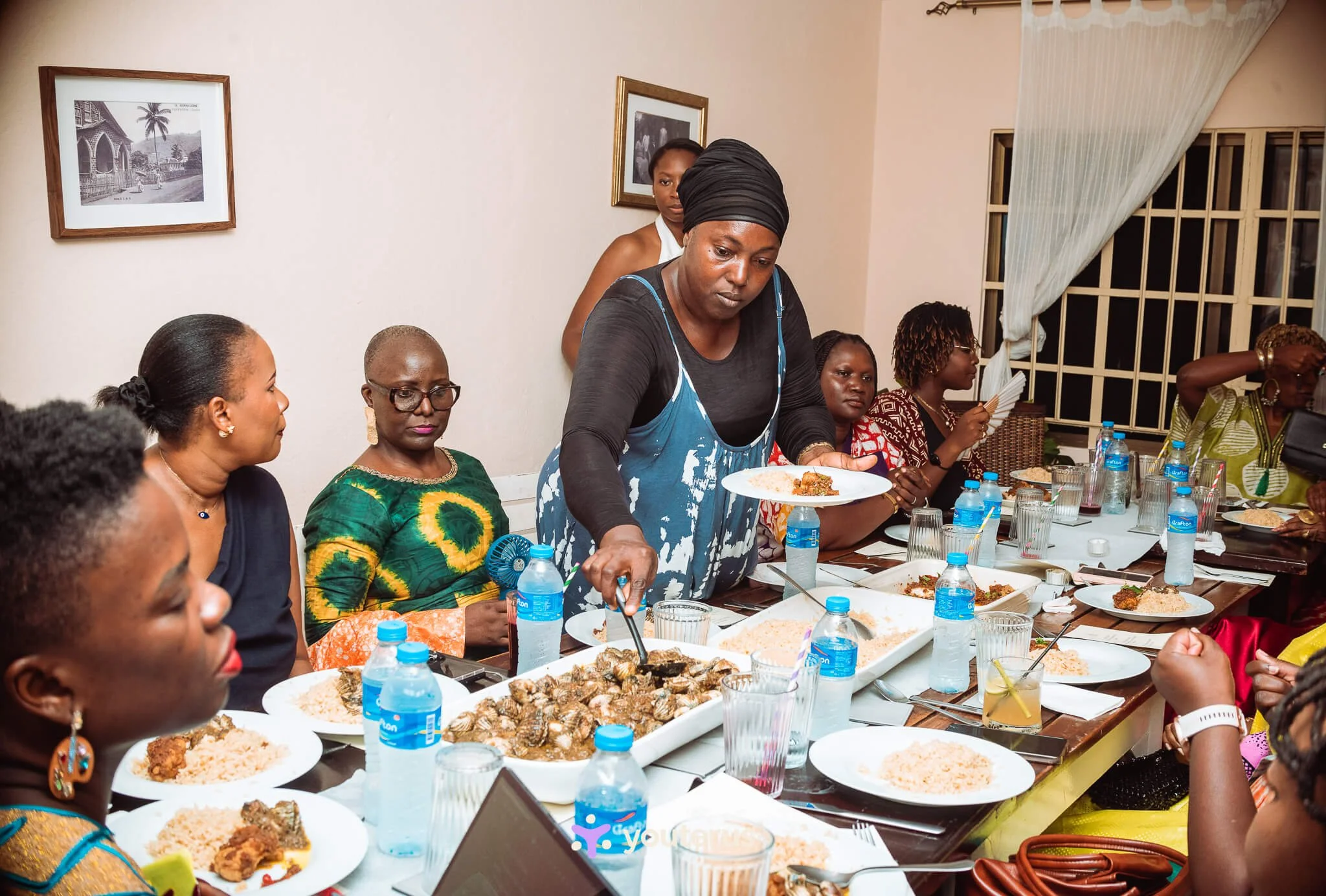
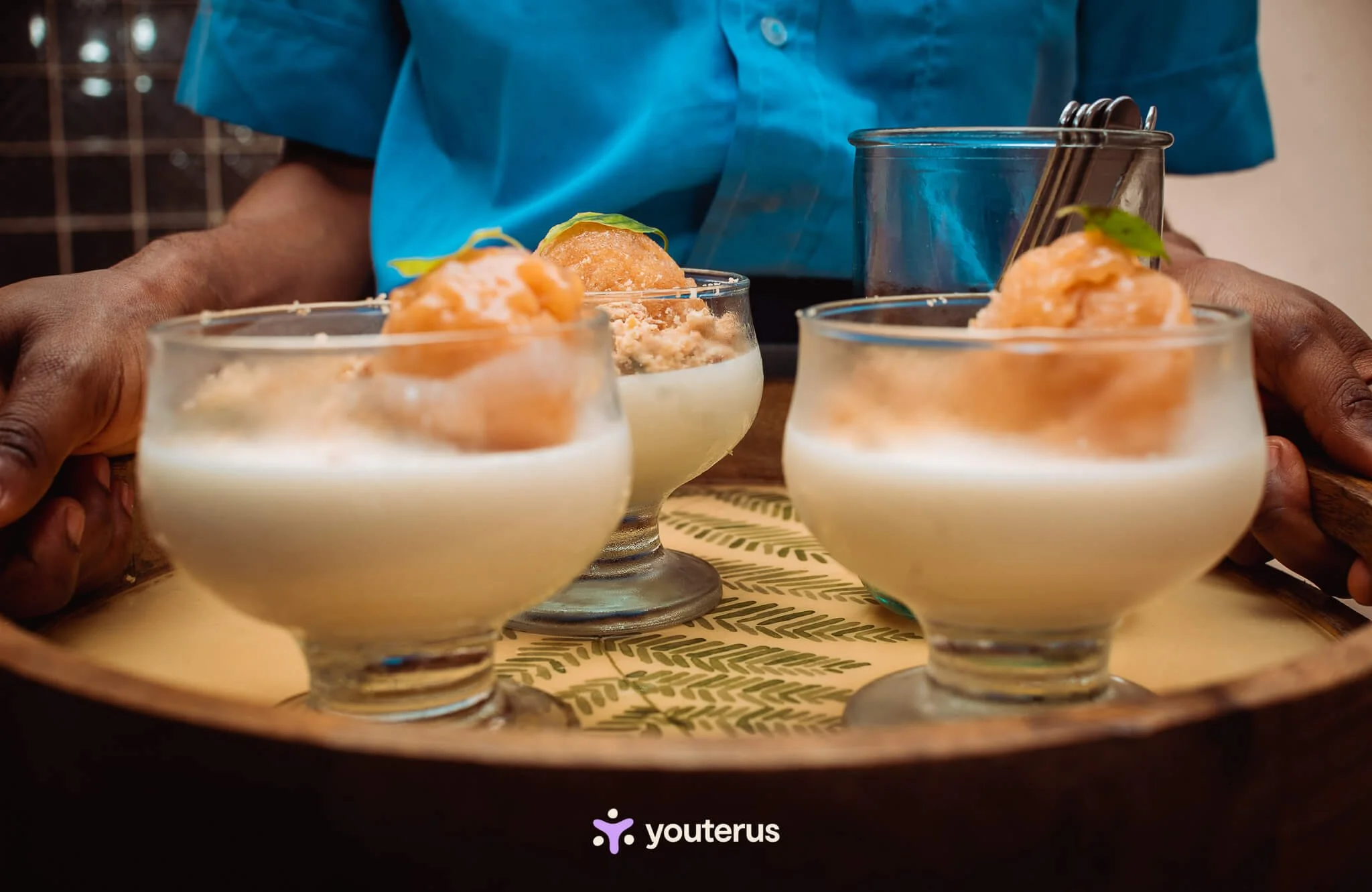
At a Womb & Table dinner, the menu is not separate from the discussion.
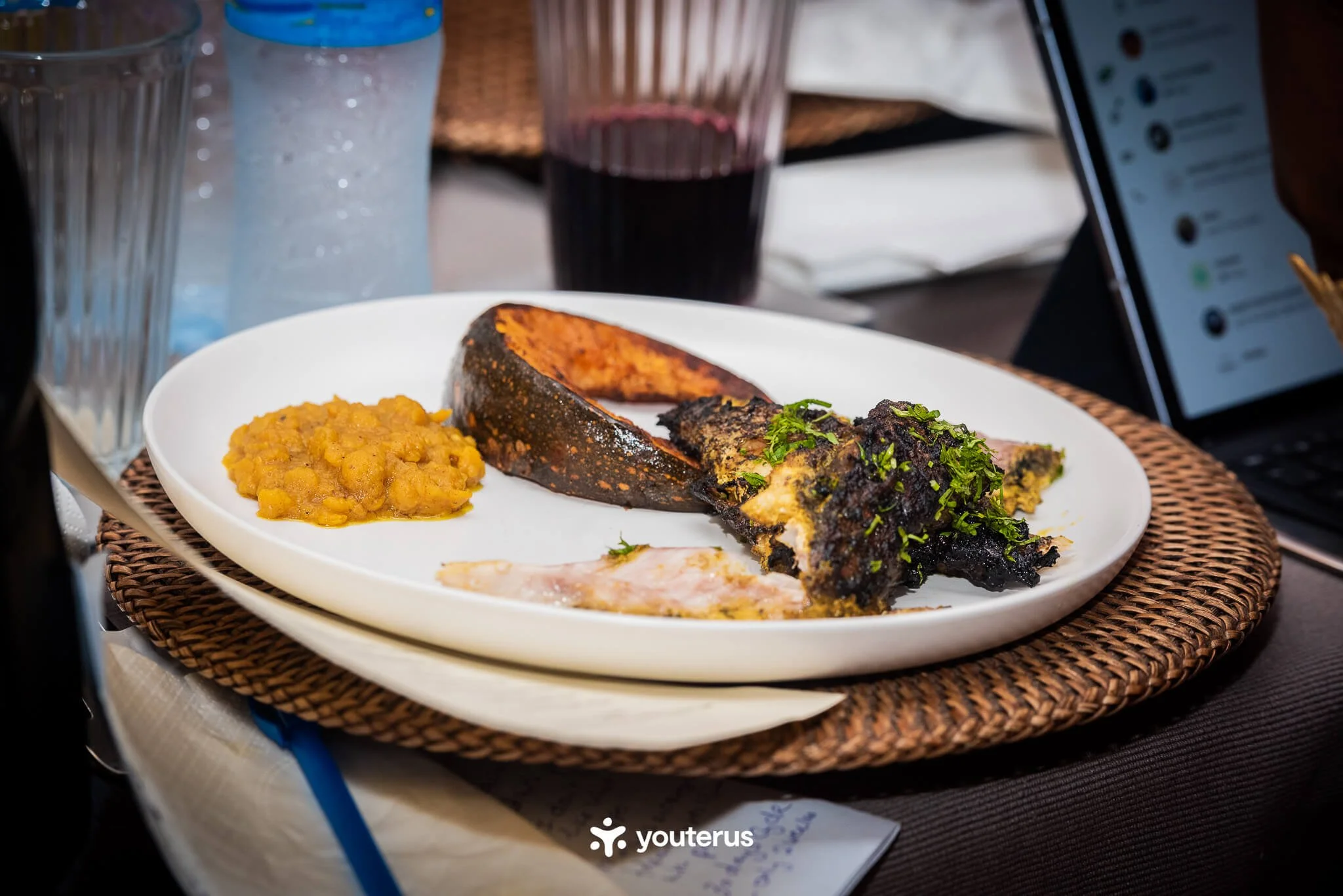
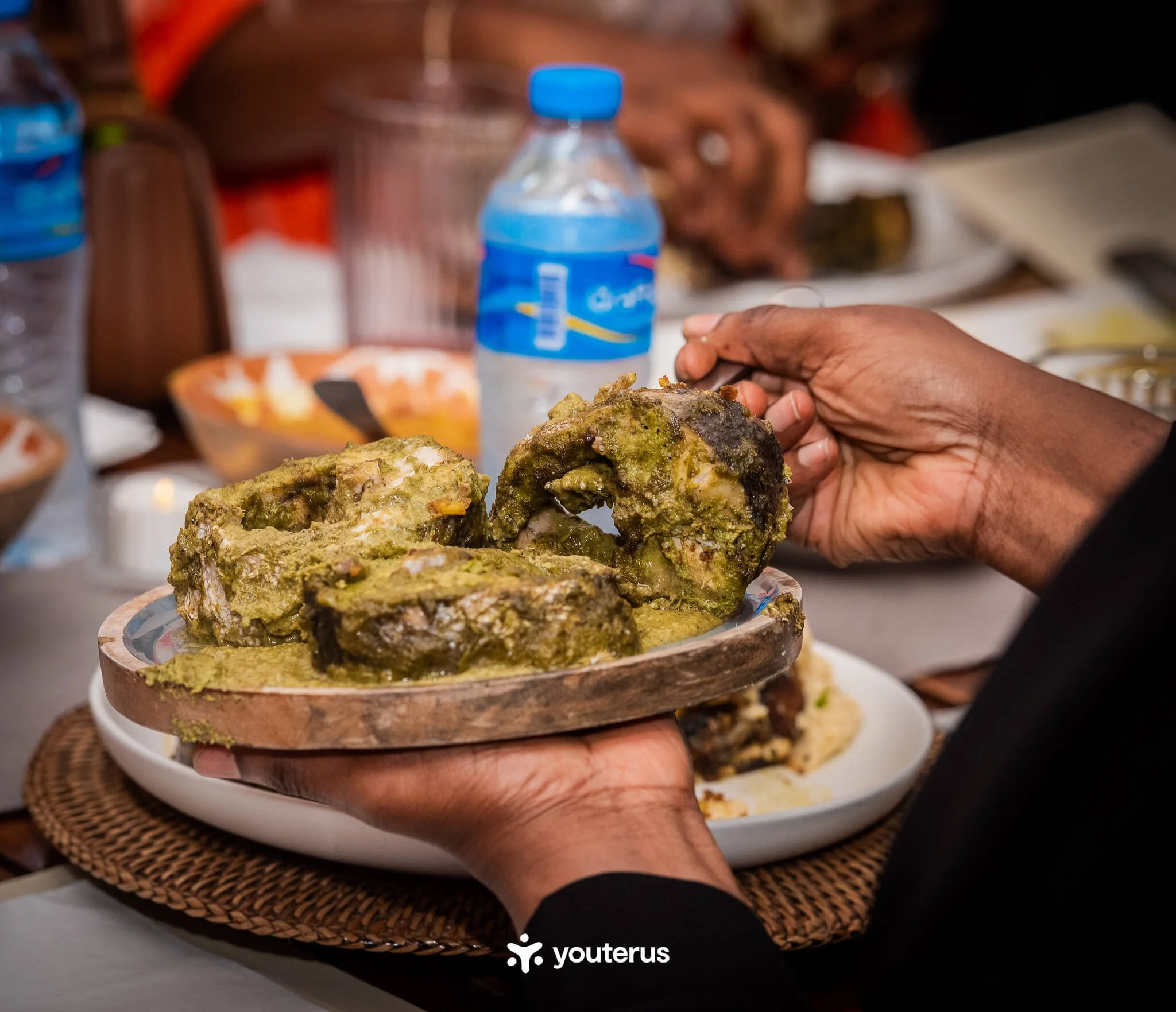
Sierra Leonean women have always made something powerful out of what the land provides. That knowledge lives in ancestral recipes, in the way food is prepared, in the ingredients passed down from grandmother to mother to daughter. Womb & Table brings that wisdom to the table with intention.
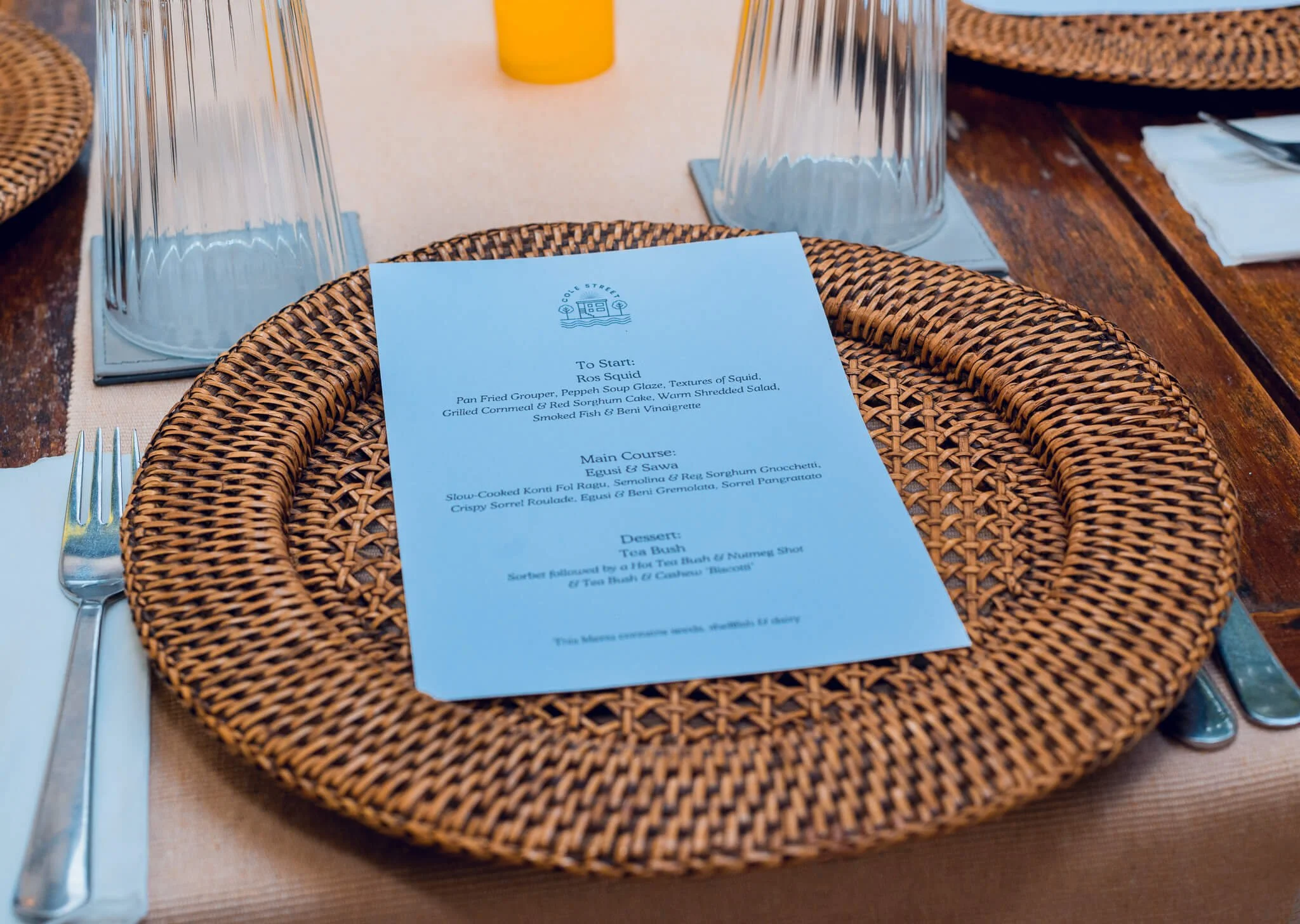
The menu is not separate from the conversation. It is designed to connect to it. Iron-rich dishes when the topic is fatigue. Anti-inflammatory ingredients when the conversation is about pain. Healing foods when women talk about recovery. The host chooses ingredients that speak to the theme of the evening, and each dish becomes a way to explore the deep connection between food, land, and the body.
What Every Host Receives
A full grant to cover your dinner.
Food, venue (if you need to rent one), transport, logistics. You tell us what your dinner needs and we fund it. Your home works perfectly as a venue.
Full training on the method.
You attend a training dinner in Freetown where you experience Womb & Table as a participant first. Then you learn how to run it. Transport and sitting allowances are covered.
A complete materials pack.
Facilitation guide, honour code, consent forms, reporting templates, photography brief, and ingredient documentation guide. Everything you need.
Ongoing support.
A WhatsApp group with all 10 hosts, direct access to the Youterus team, and the knowledge that you are not doing this alone.
WHO SHOULD APPLY
Host application requirements
You are recognised as a leader in your community, whether that is a neighbourhood, a market, a church, a women's group, a school, or a clinic. Leadership is not a job title. It is trust.

You can bring together around10 women of different ages, backgrounds, and experiences for an evening together.
You have a space: your home or any private place where women can sit, eat, and speak freely in an intimate, participants-only setting.
You care about food: what women eat, how it connects to health, and what the land provides. Food that is beneficial for womb.
You can write a short report about what happened at your table, what topics were discussed, and what ingredients were used for the menu. (We give you a template)
You can arrange a photographer to document the evening. This could be a friend with a good phone camera or a local photographer. We will provide a photography brief, and in some cases, we can provide our photographer.
You do not need a degree or a health qualification, nor a professional venue. We will train you completely. We want hosts from across Sierra Leone, not only Freetown.
How it work


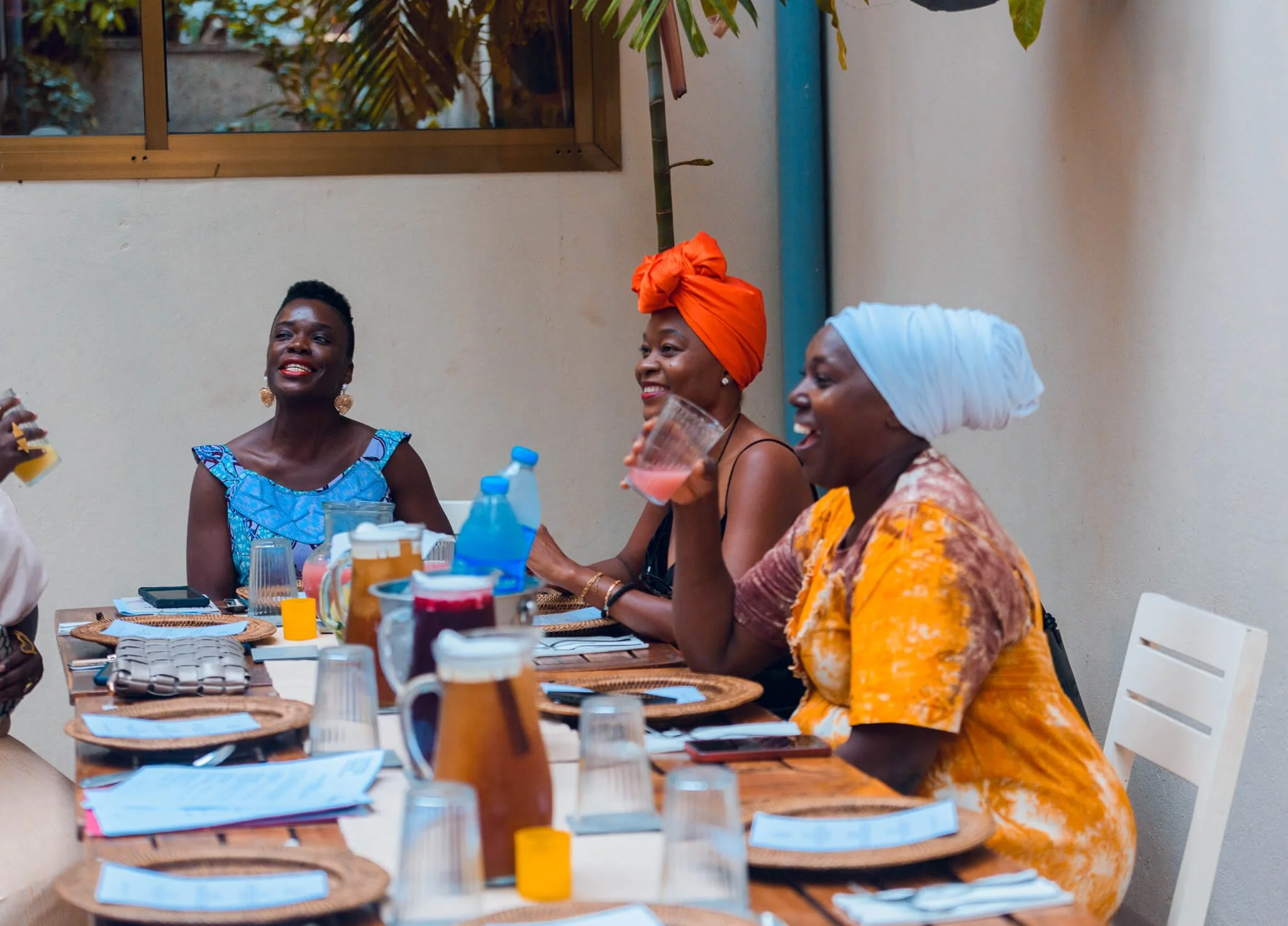
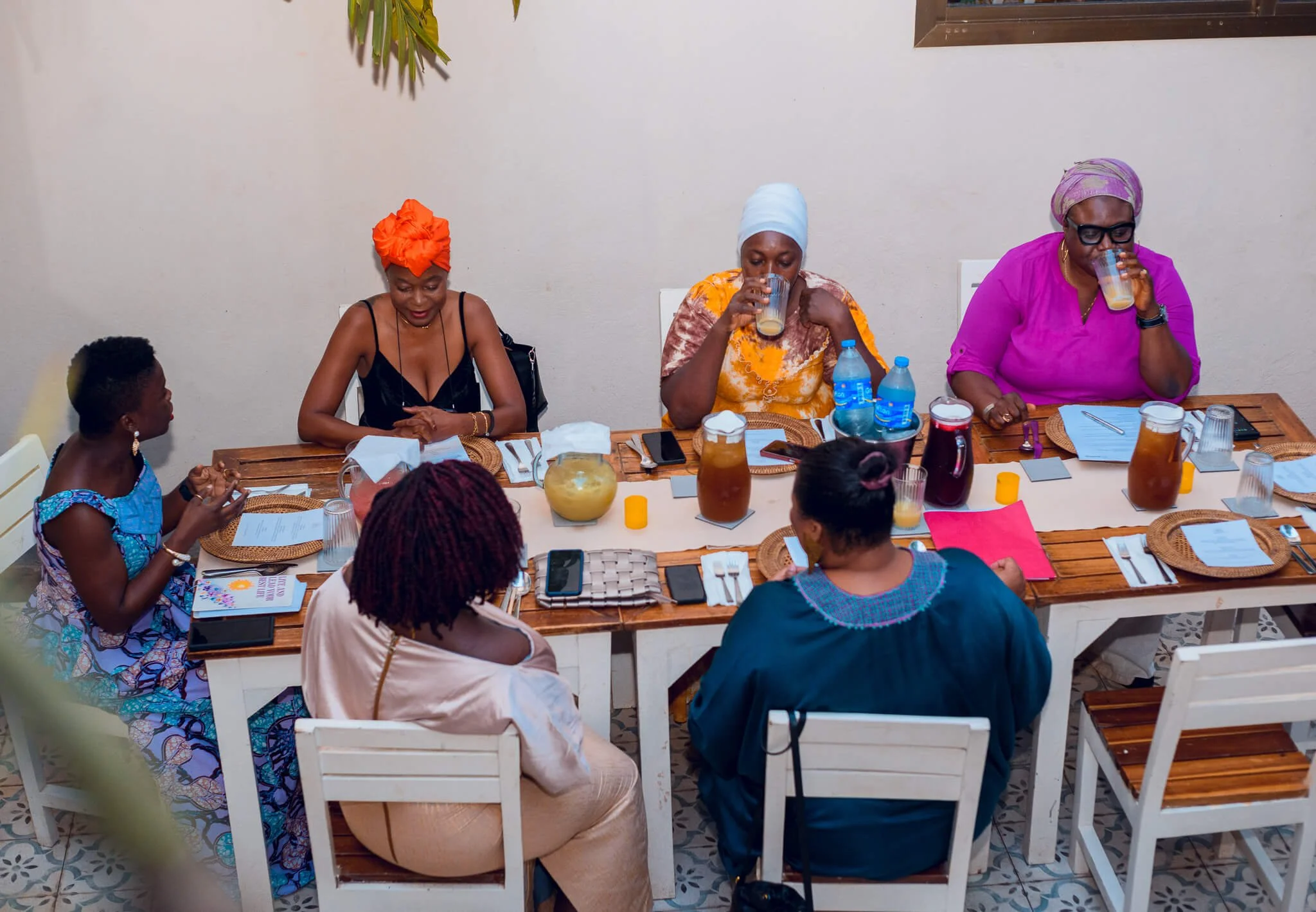
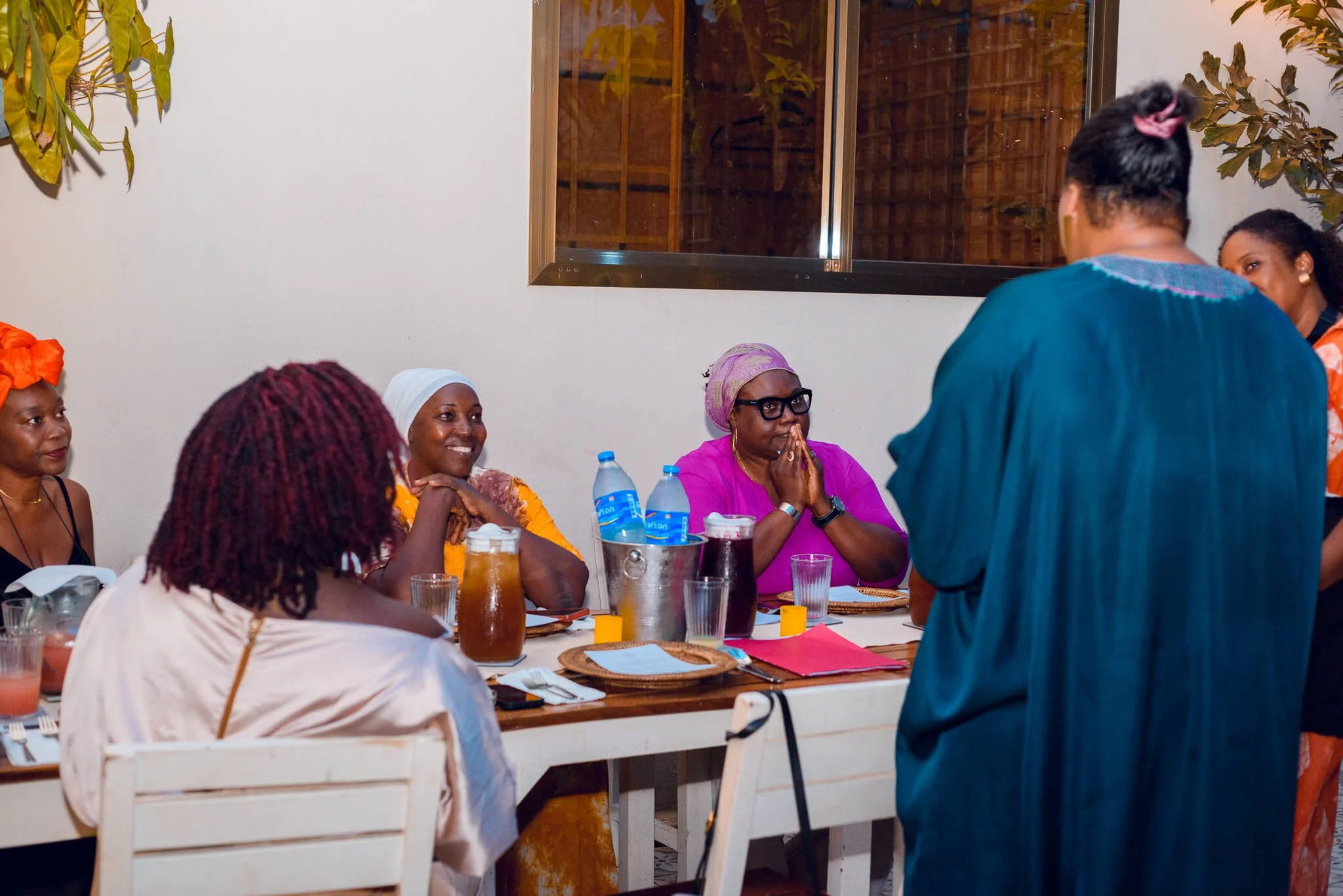
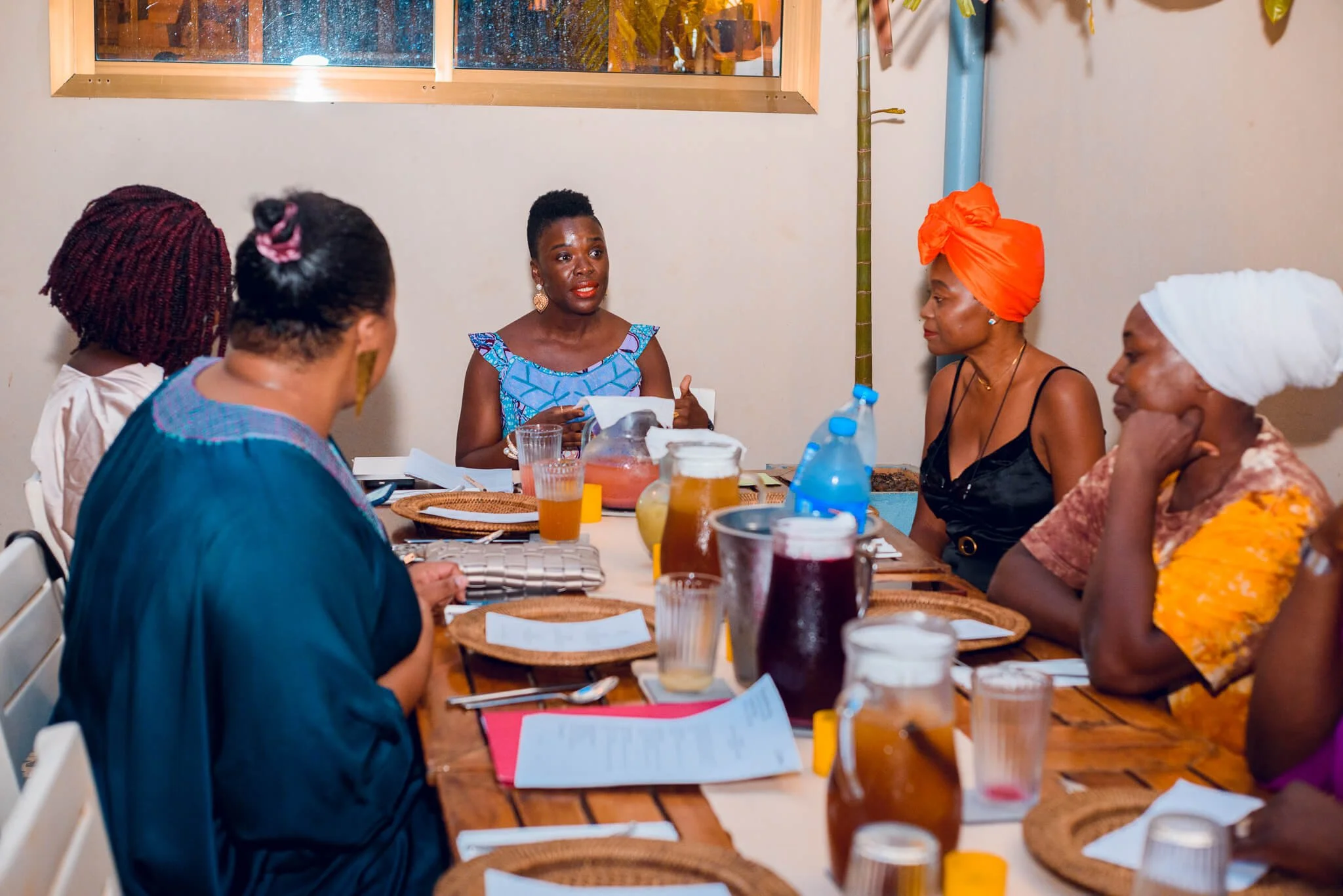
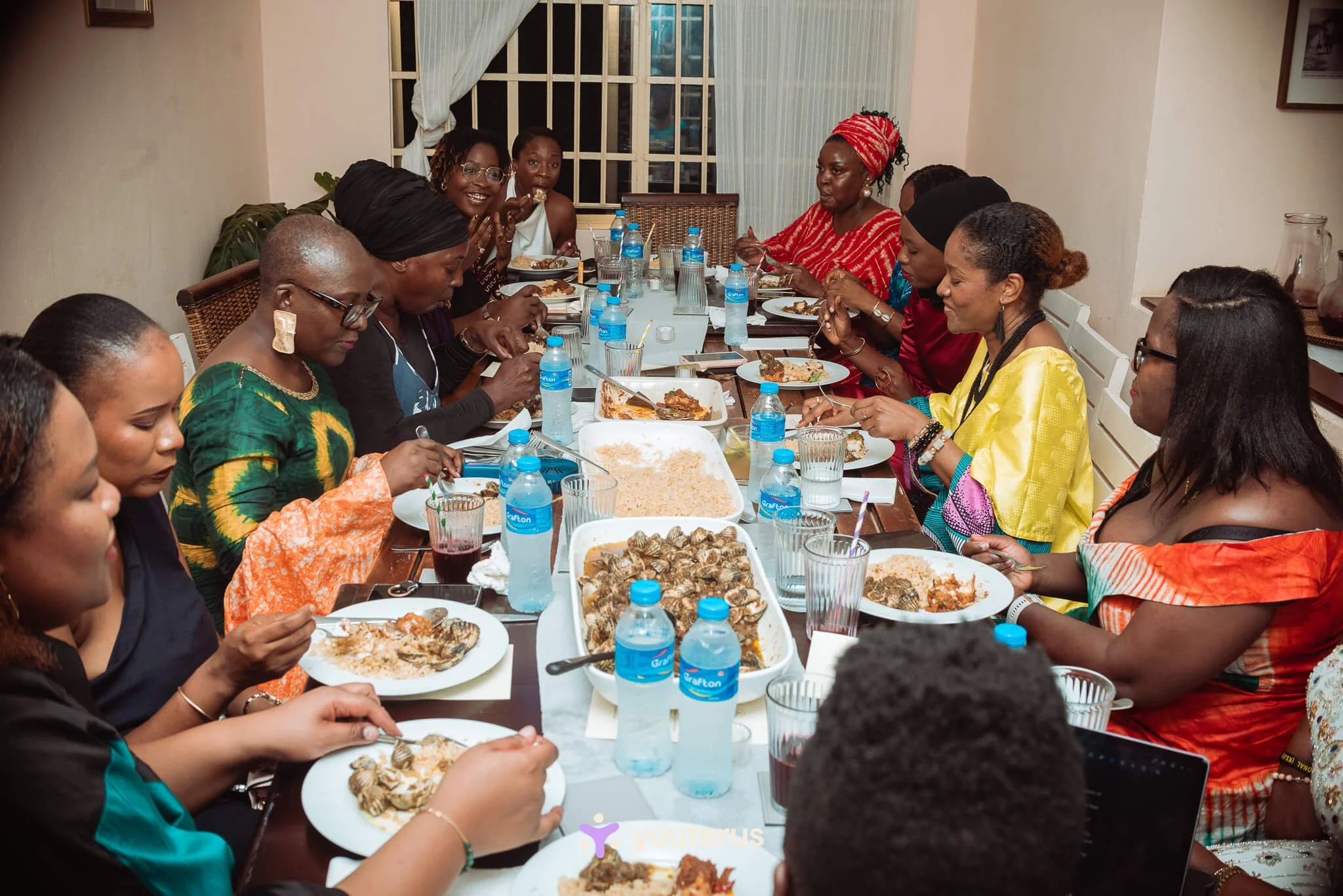
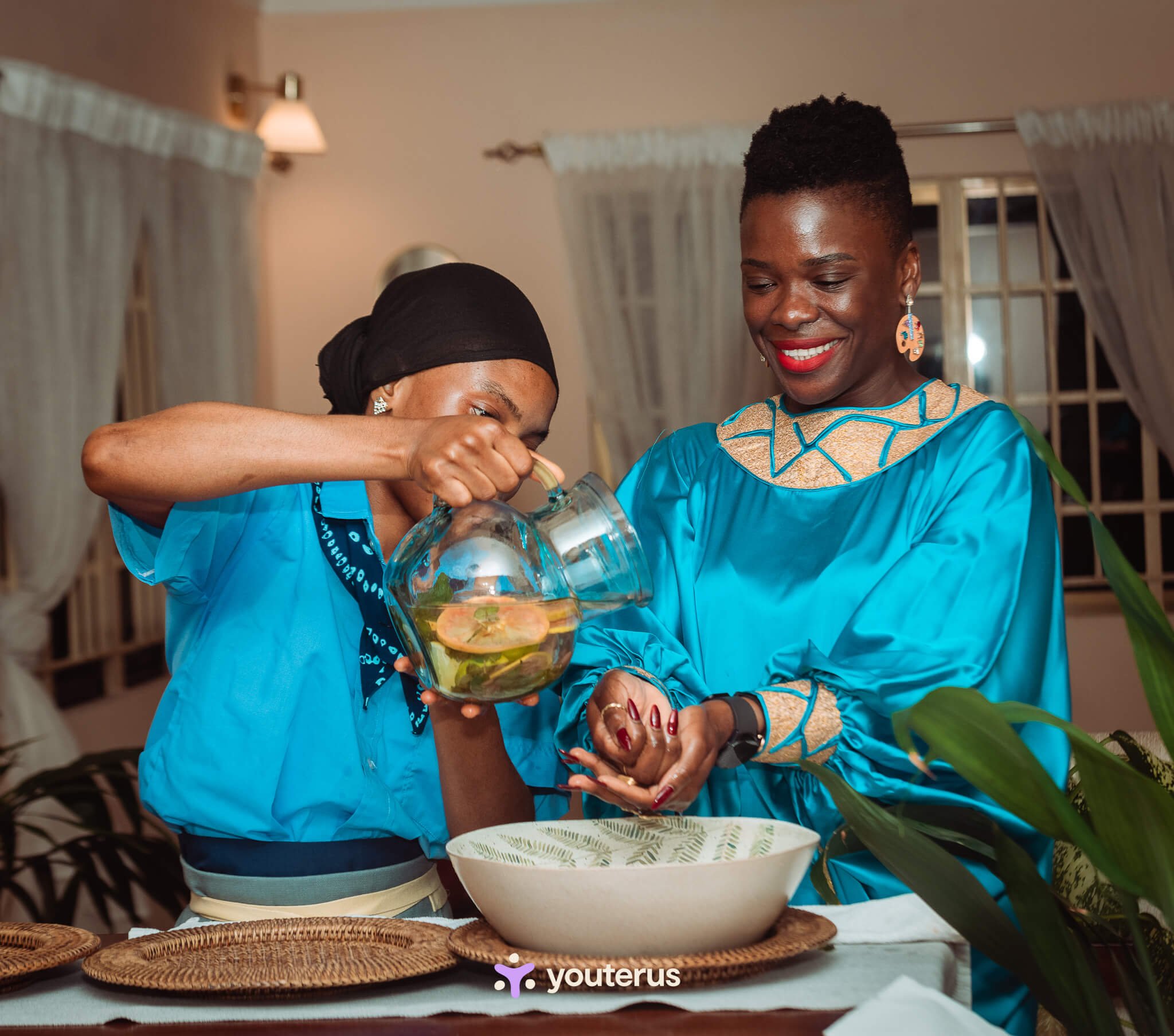
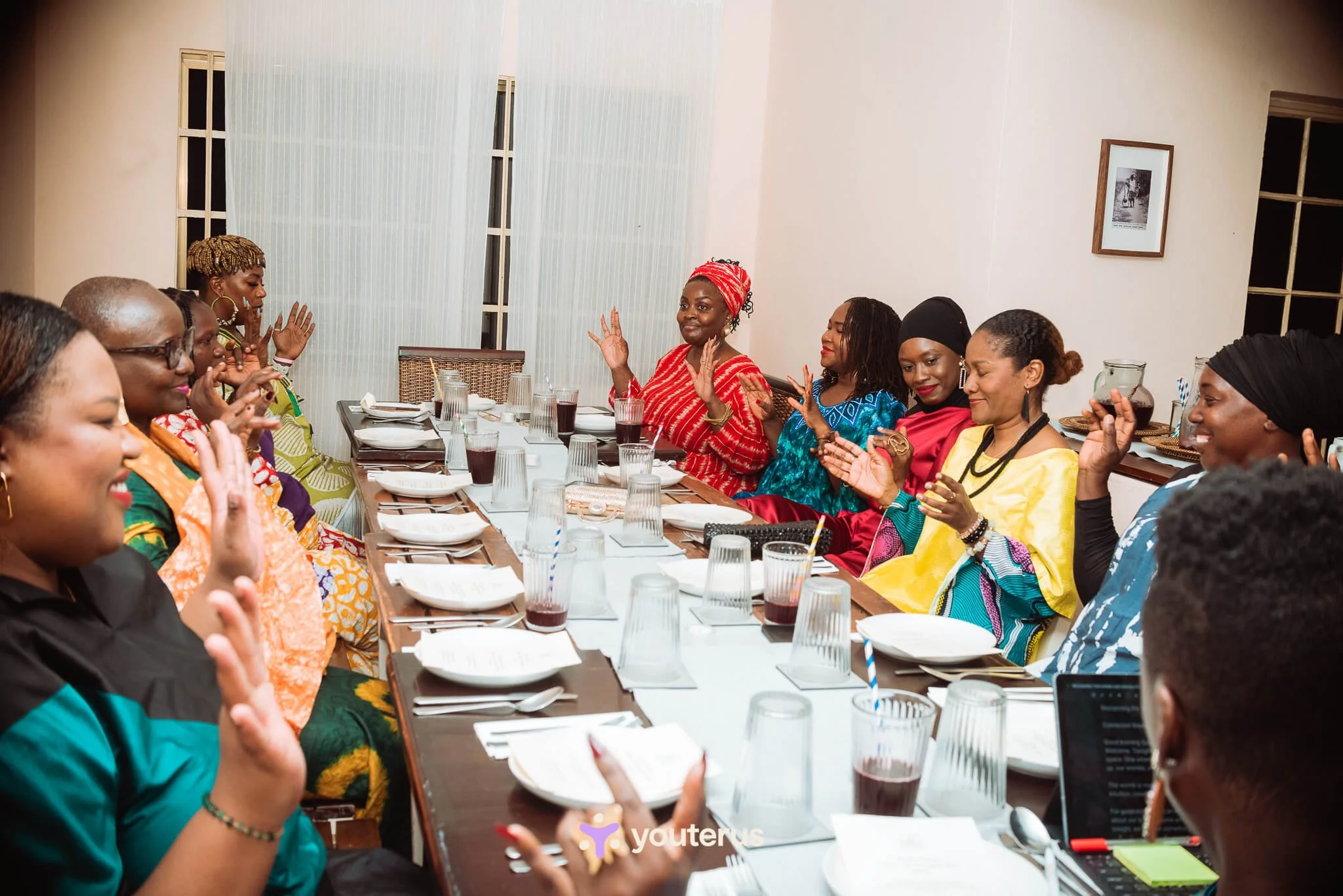
Previous Womb & Table Dinners
Perimenopause, Menopause, and
Post-Menopause
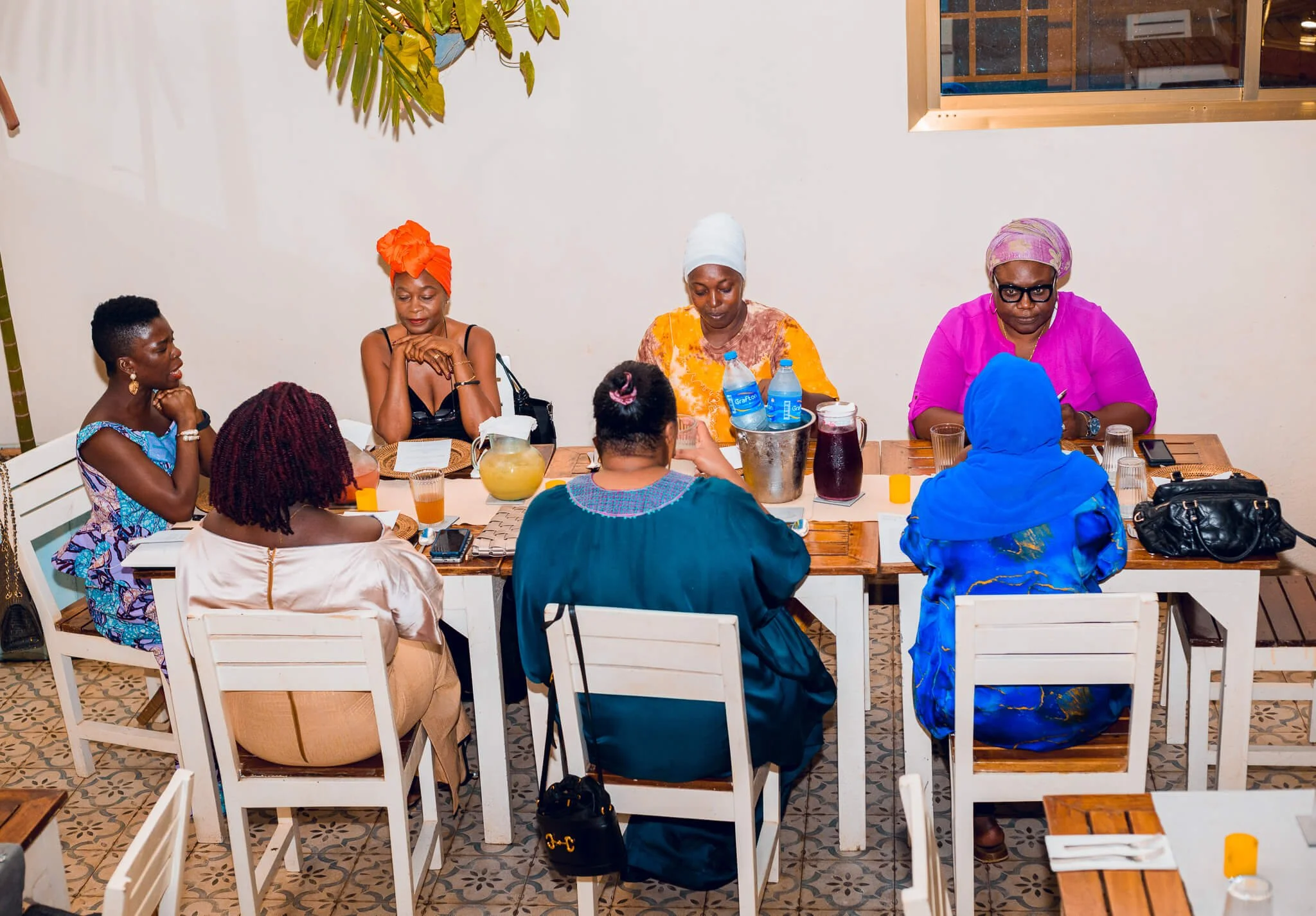
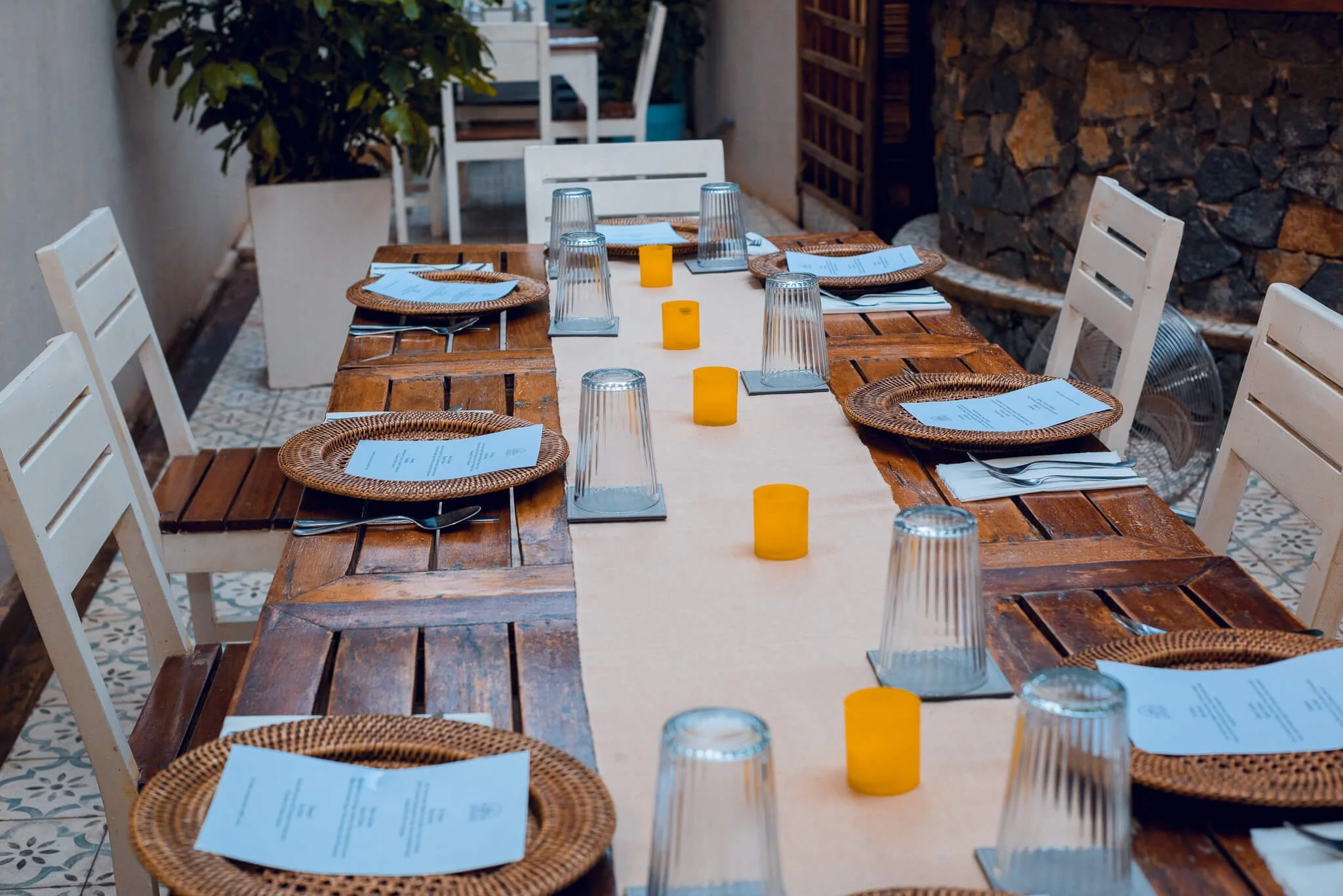
Women named a transition that no one had ever explained to them. They shared stories of hot flashes, sleep disruption, mood changes, and pelvic discomfort - navigated with minimal support. They identified knowledge gaps, the absence of culturally relevant language, and the healing power of herbal traditions. They left with a shared vocabulary and a demand for change.
Beyond the Bleeding - Uterine and Hormonal Health
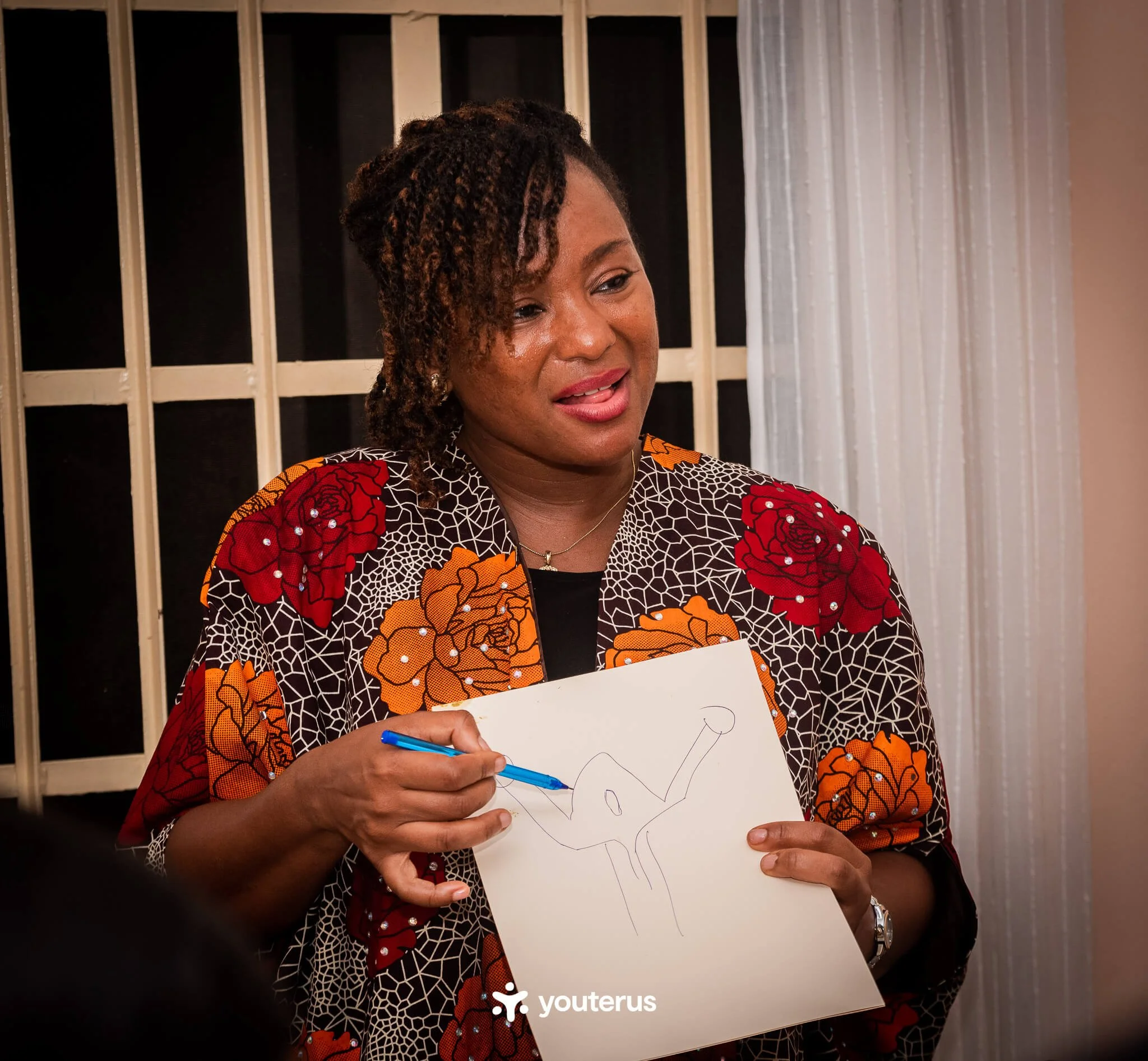
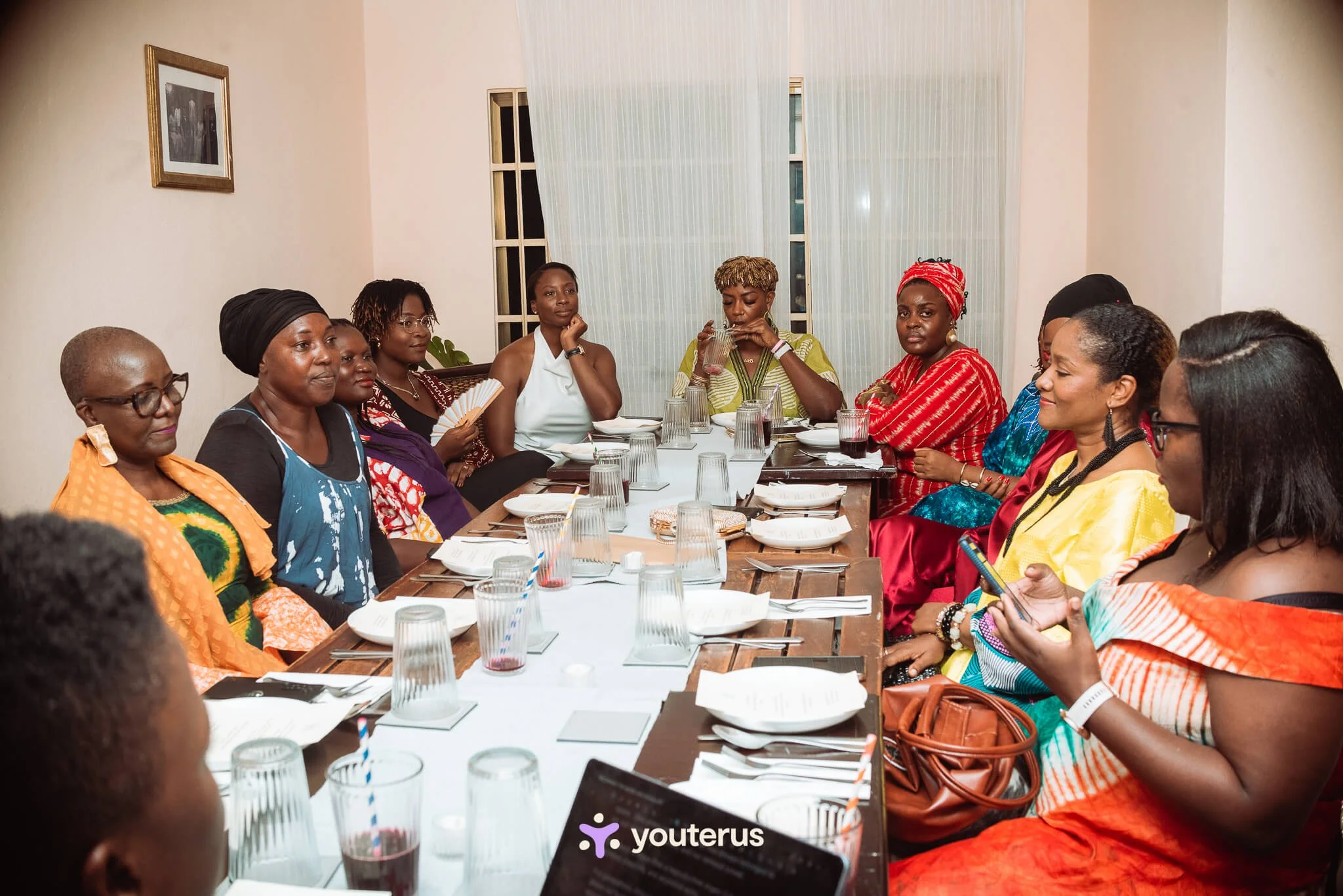
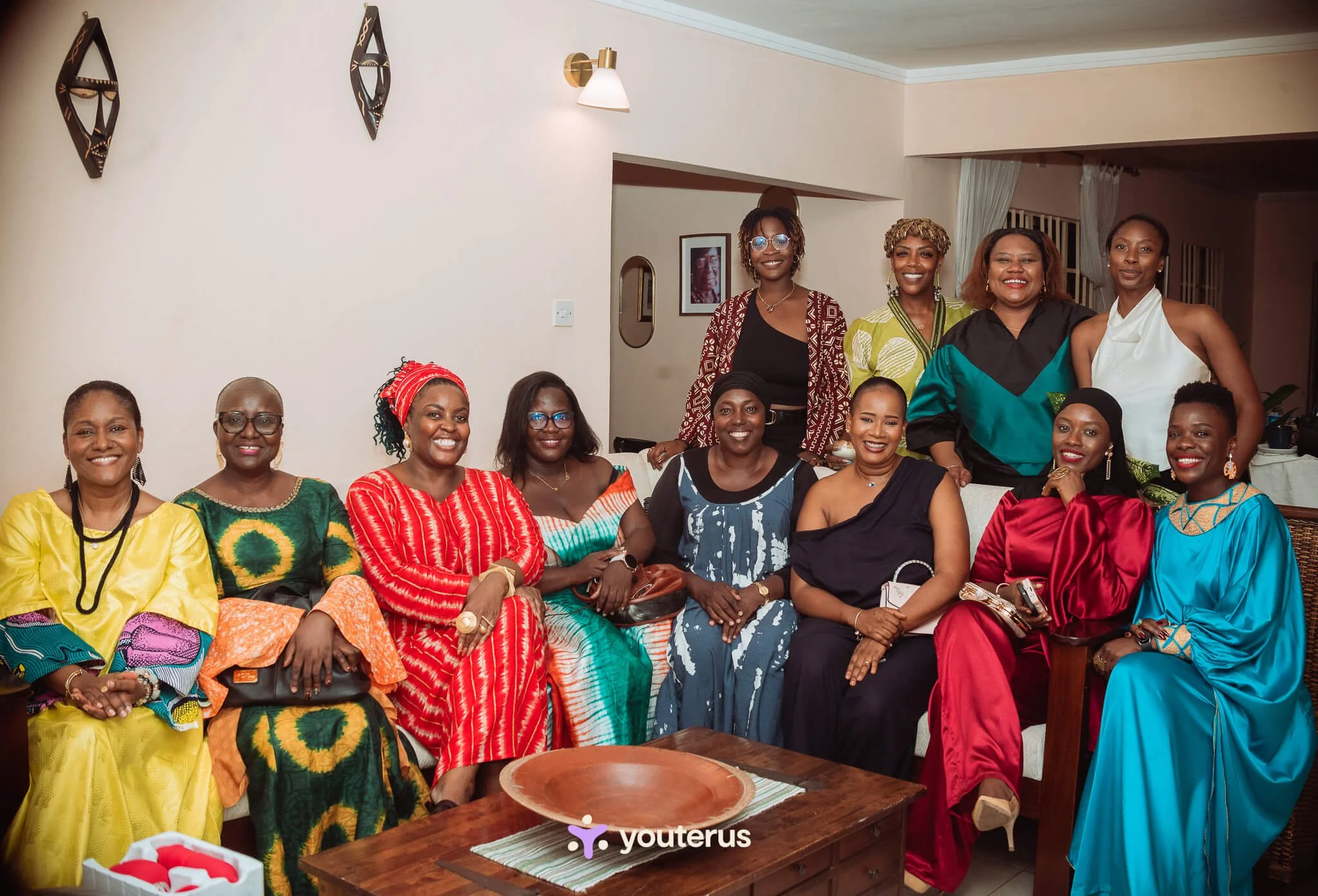
Women spoke about fibroids, endometriosis, PCOS, and adenomyosis - conditions often dismissed as ‘tiredness’ or ‘women’s problems.’ They named the impact of heavy bleeding, chronic pain, and delayed diagnosis. They shared coping strategies from plant medicine to cycle-based productivity. The table became a place where lived experience was recognised as essential health data.
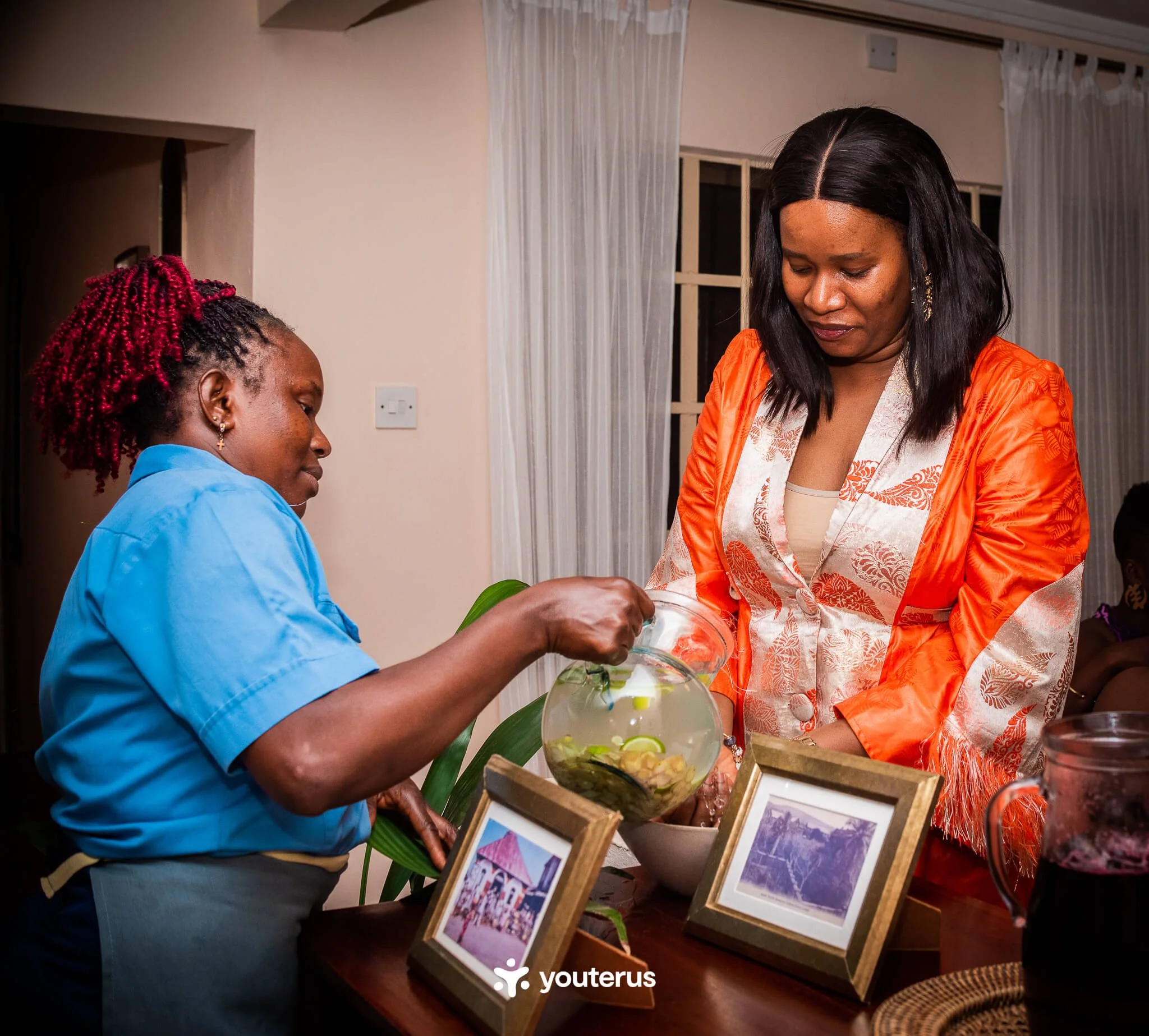
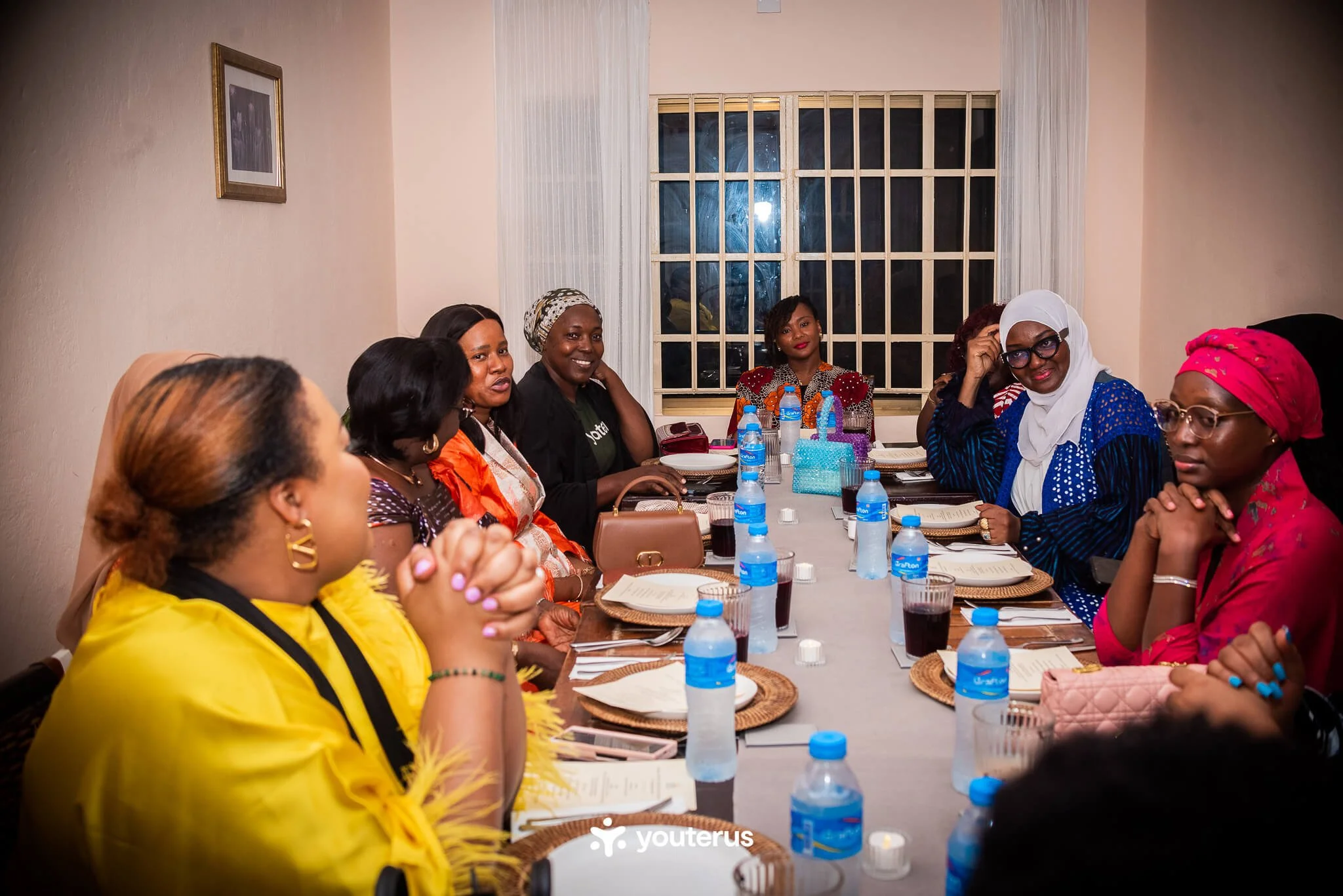
Womb and Sexuality
Women explored sexuality, autonomy, and pleasure - topics held hostage by shame, religion, and cultural policing. They talked about FGM, trauma, reclaiming desire, and the womb as an archive of experience. The dinner reframed female sexuality as a site of wisdom rather than silence.


Frequently Asked Questions
-
Yes. We want hosts from across Sierra Leone, especially from districts outside the capital.
-
No. Your home or any space where women can sit, eat, and talk privately works. You can use the grant to rent a space if needed.
-
Food, venue (if rented), transport, and logistics for your dinner. During training, you will work with the team to plan what your specific dinner needs and the grant will cover it.
-
A one-day session in Freetown with all 10 hosts. You first experience the Womb & Table method as a participant, sitting at the table and going through the full dinner. Then you learn how to facilitate it yourself. Transport and sitting allowances are provided.
-
No. You need to care about women's health and understand the connection between food and wellbeing. The method guides the conversation. You do not need to be an expert.
-
You need access to someone who can take quality photos. A friend with a good phone camera is fine. We provide a photography brief. If this is a challenge, mention it in your application, and we will try to provide a photographer.
-
A short insight report (we give you a template with guided questions), photos from the evening, a list of the ingredients you used, and brief feedback forms from your guests.
-
After you complete training and work with the team to plan your dinner budget.
-
At least 10 women. If your community is larger and you want to invite more, let us know in your application and we will plan the budget accordingly.
-
Fill in the application form on this page.
Organising committee
-
![]()
Youterus
Africa’s first uterine health company
-
![]()
Evoca Foundation
Independent organisation working across education, climate action, and supporting women and girls.
-
![]()
Suafiatu H. Tunis
Community Activist & Social Enterpreneur
-
![]()
Ariana Oluwole
-
![]()
Doctor Valerie John - Cole
Consultant Obstetrician/Gynaecologist
-
![]()
Dr Frances R Wurie
Consultant Obstetrician/ Gynecologist
-
![]()
Cole Street Guesthouse
Boutique Hotel & Restaurant

Co-sponsered by: