Fibroids Awareness
When Silence Becomes Testimony: Women on Fibroids, Pain, and the Power of Speaking Up


Pain that was dismissed.
Diagnoses that came too late.
Choices that were never fully theirs.
From Stories to Systems Change
How Testimony Becomes Evidence, Evidence Becomes Action
For years, silence was not only personal, it was social, cultural, and enforced. To speak of the womb was to break a taboo. But five women chose to share truths that too often remain buried beneath culture and silence.
Through their voices, silence gave way to testimony. Speaking up became more than confession; it became evidence, resistance, and the start of repair.
What These Voices Reveal
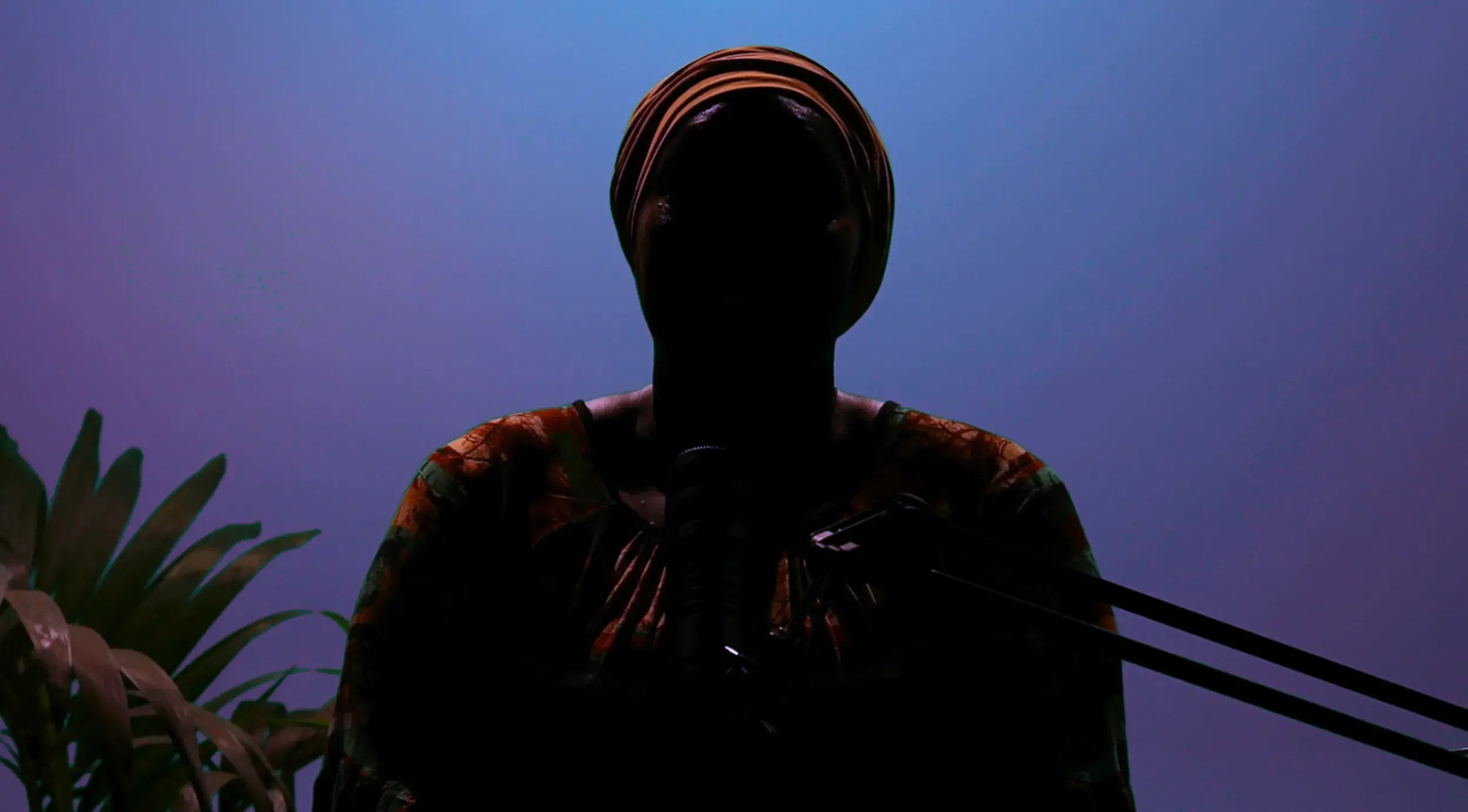
Suafiatu Tunis - Strength in the Storm
Suafiatu’s story is one of endurance, silence, and ultimately, quiet resilience. Her journey with fibroids began in ways that felt confusing and contradictory. At first, her periods were unbearably painful. Then they stopped altogether for months. In search of relief, she turned to traditional Chinese remedies.
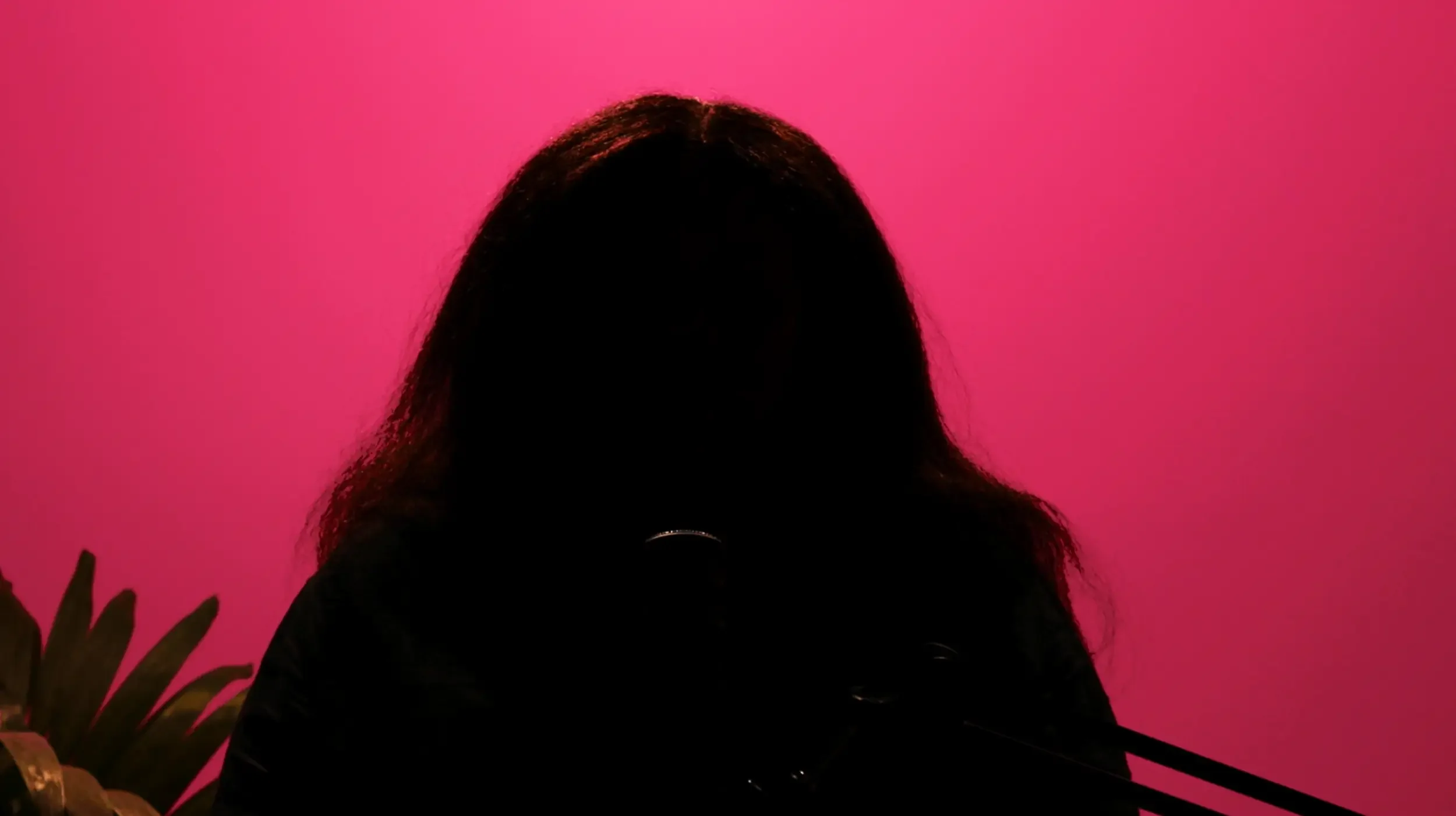
Fatou Wurie - When Trust Returns
At just ten years old, she bled through sheets, uniforms, and chairs. Her periods were heavy and unrelenting, the clots large, the pain unbearable. Yet what she received was not compassion but blame. Teachers, relatives, and peers framed it as weakness or fault, leaving her to carry both the physical agony and the shame.
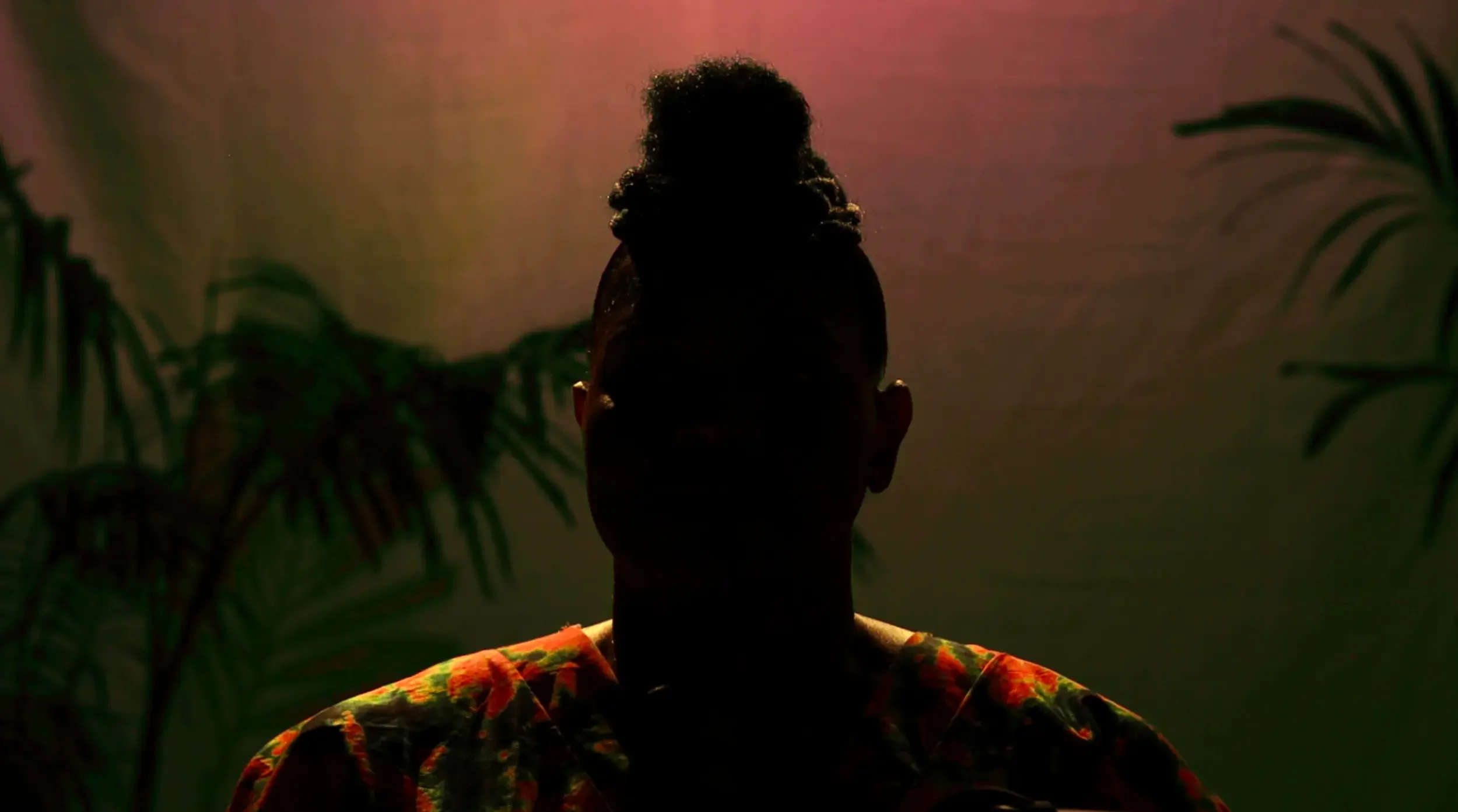
Haja Tucker - The Walking Womb
For much of her life, Haja lived with pain that refused to be named. Month after month, her body was drained by heavy bleeding that stretched far beyond the bounds of what anyone called “normal.” At times she was too weak to move, other times the clots and cramps left her doubled over. Yet instead of answers, she was given explanations that only deepened her confusion.
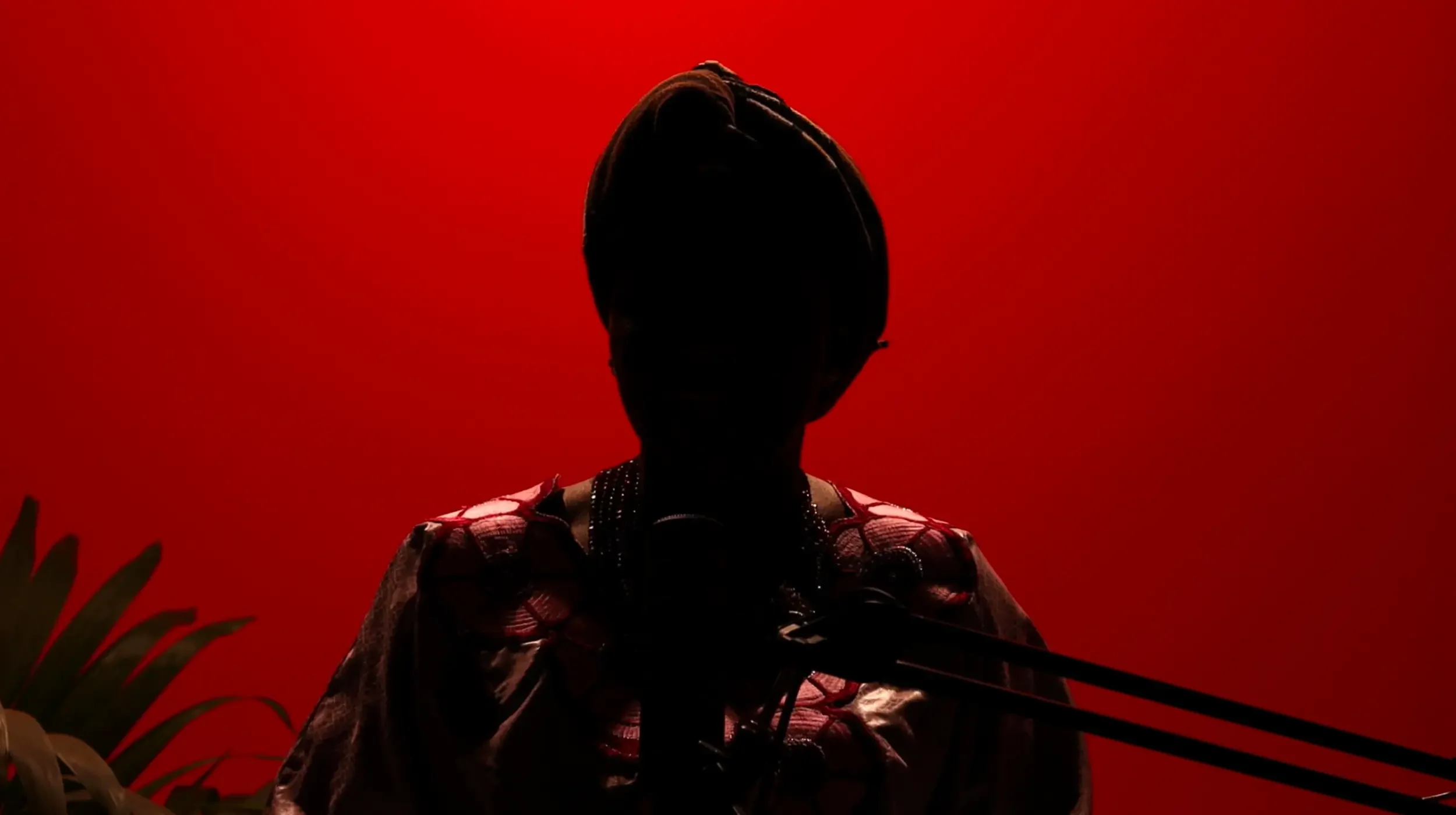
Naasu Fofanah - Happily Ever After
When Naasu first heard the word fibroids in 2005, it was not clarity she felt but confusion. The bleeding, the pain, the heaviness in her body had names, but none of it came with real answers. She remembers leaving the clinic feeling uncertain, unable to share her diagnosis with even those closest to her.
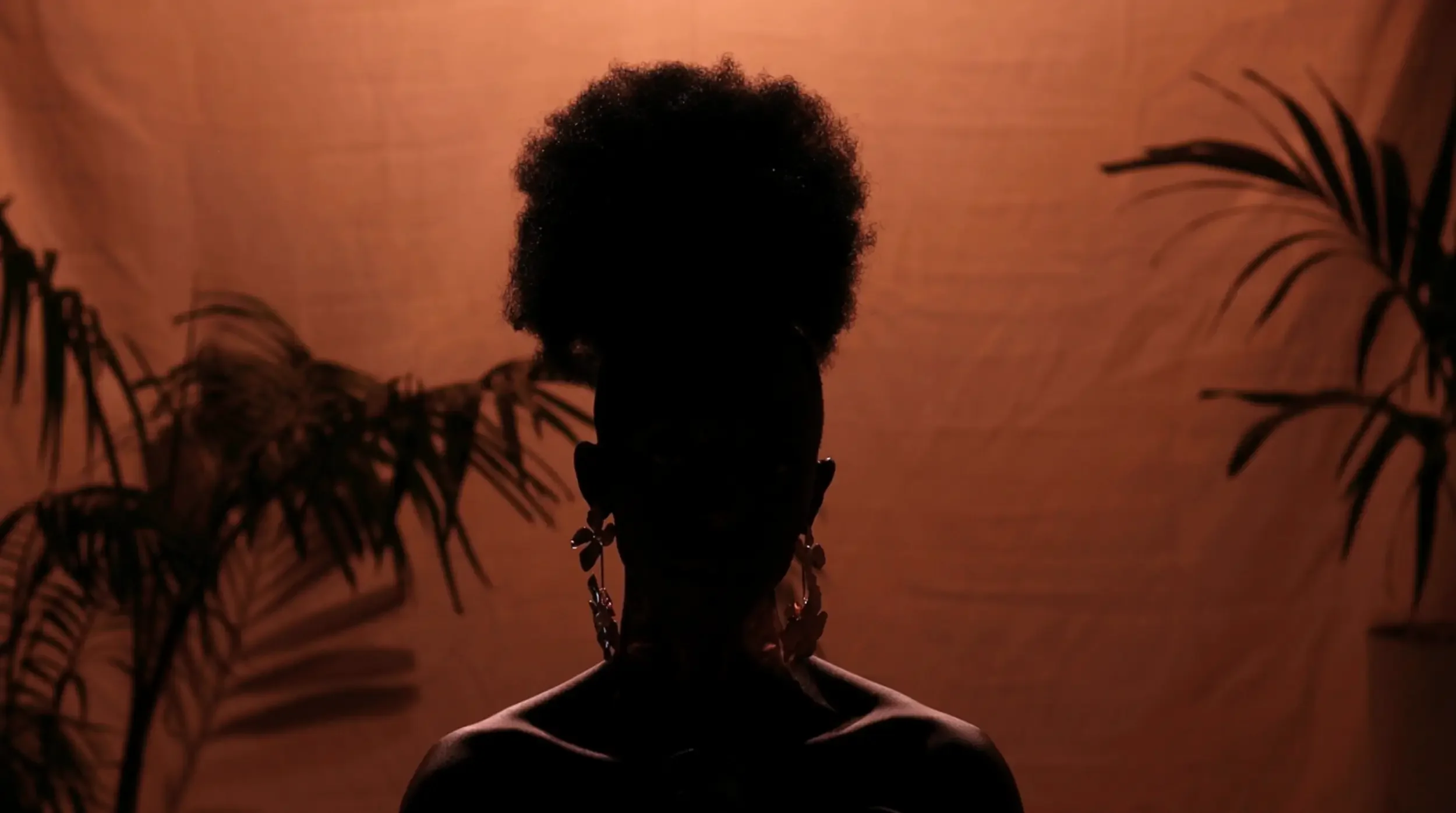
Ramatu Kargbo - God Helped Me
For more than three years, Ramatu has lived with the weight of fibroids. At first, she did not even have a name for what was happening to her. She only knew her periods left her doubled over in pain, her body drained of strength, her days swallowed by bleeding that refused to end.
Why Stories Matter
A Collective Record of What Silence Costs
These stories are not just memories; they are a collective record of what is lost when women are unheard, and what becomes possible when their voices rise.
Fibroids affect up to 80% of African women by age 50, yet most will wait years, sometimes decades, for diagnosis. Many will be told their pain is "normal women's troubles." Others will face impossible choices between treatment they cannot afford and suffering they cannot escape.
These five women show why uterine health cannot remain on the margins. Their testimonies reveal:
How cultural silence turns medical conditions into shameful secrets
The years women spend dismissed by healthcare systems before receiving diagnosis
The economic toll of untreated fibroids on work, families, and futures
How speaking up creates pathways not just for one woman, but for entire communities
We are transforming African women’s health, building what should have always existed, so that every woman can live, work, and thrive with dignity.
See how your voice can help reshape women’s health.
Discover how we’re building lasting systems together.
Explore how collaboration drives policy and reform.
Choose your path forward. The movement is waiting.